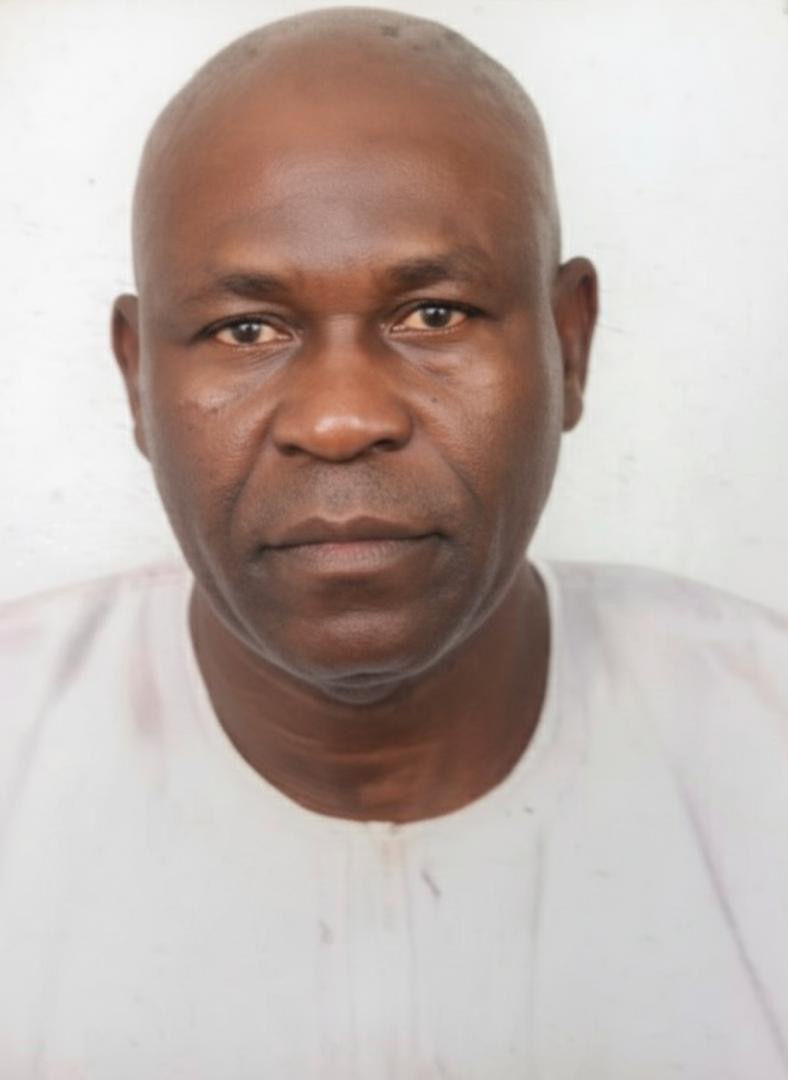
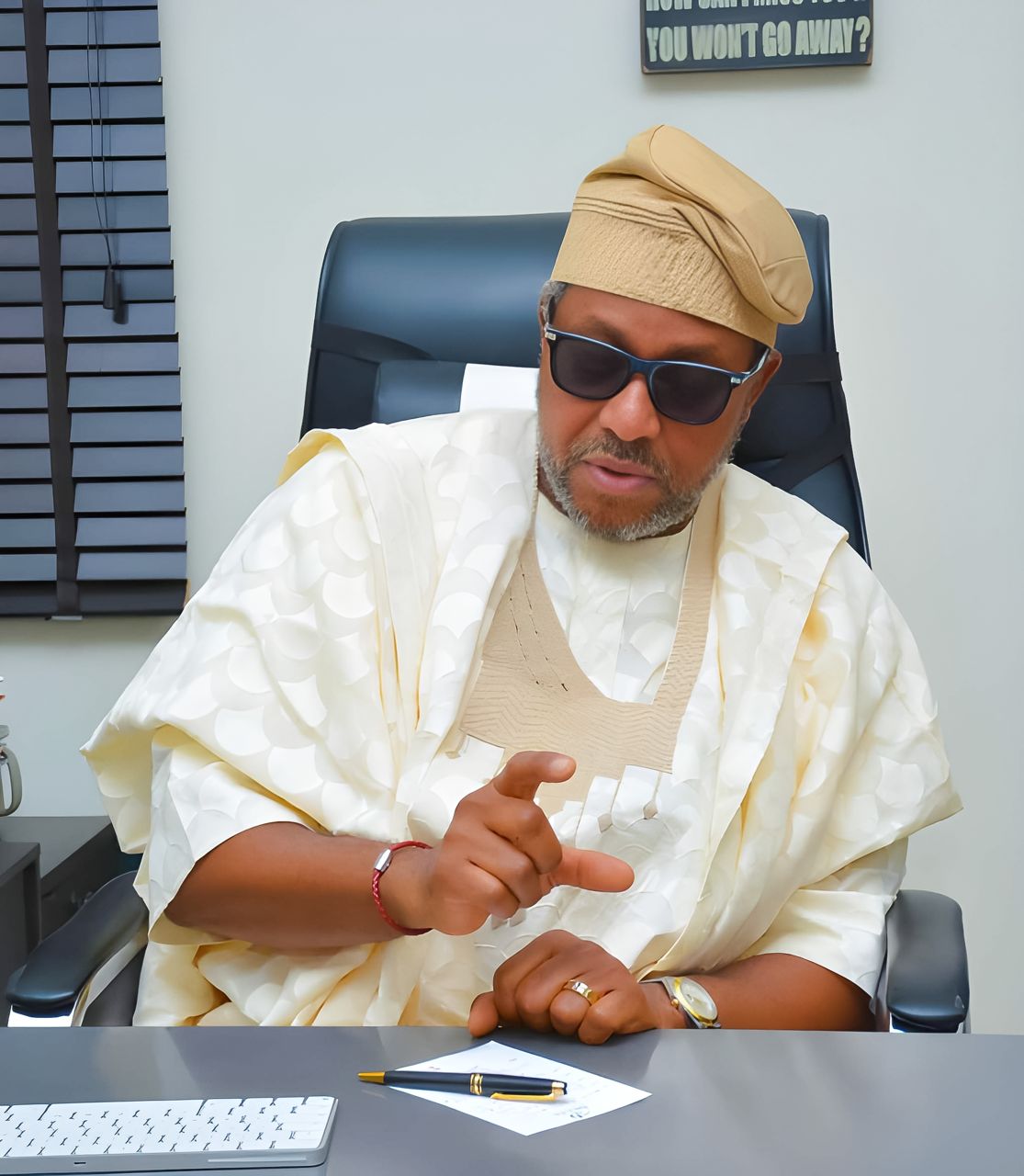
As permutations over the 2027 governorship race in Kwara State gather momentum, Araba Femi Sanni, FNICE, FNSE on Wednesday called for a broad-based, consultative process in selecting a successor to Governor AbdulRahman AbdulRazaq, while also commending All Progressives Congress, APC leadership for the smooth management of party affairs so far.
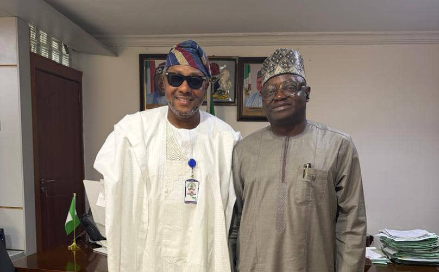
Araba made this known after a strategic meeting in Abuja with Mallam Lanre Issa-Onilu, Director-General of the National Orientation Agency (NOA), who has recently declared interest in the governorship race. Positioning himself within the unfolding political conversation, Araba stressed that the choice of the All Progressives Congress (APC) candidate must reflect wide consultation and concensus building. “Only a consultative and inclusive process can produce a leader truly deserving of Kwara.
“This is what we have been doing in APC in Kwara,” he said.
The meeting between the two political figures is already fuelling fresh speculation within Kwara’s political circles about a possible governorship bid by Araba, given his longstanding ties with key stakeholders at both state and national levels.
While he stopped short of declaring his ambition, Araba’s remarks signalled alignment with Issa-Onilu and hinted at a shared political direction ahead of 2027.
“Mallam Issa-Onilu and I are not just friends; we are political soulmates. Our vision for Kwara has always been aligned,” Araba stated.
“Even on the critical decisions ahead in 2027, our thinking remains the same.”
On the contentious issue of ticket allocation within the APC, Araba reiterated that a consultative approach remains the most viable pathway, invoking Governor AbdulRazaq’s earlier stance on neutrality.
“The governor has made it clear from the outset — he has no anointed candidate,” he noted.
“He has also emphasised that the candidate must emerge through broad consultation. That remains the only credible path if we are to sustain and consolidate on the gains recorded so far.”
With political consultations intensifying and subtle alignments emerging, Araba’s intervention adds a new layer to the evolving succession dynamics in Kwara. His careful positioning — without an outright declaration — is likely to keep observers watching closely in the coming days.
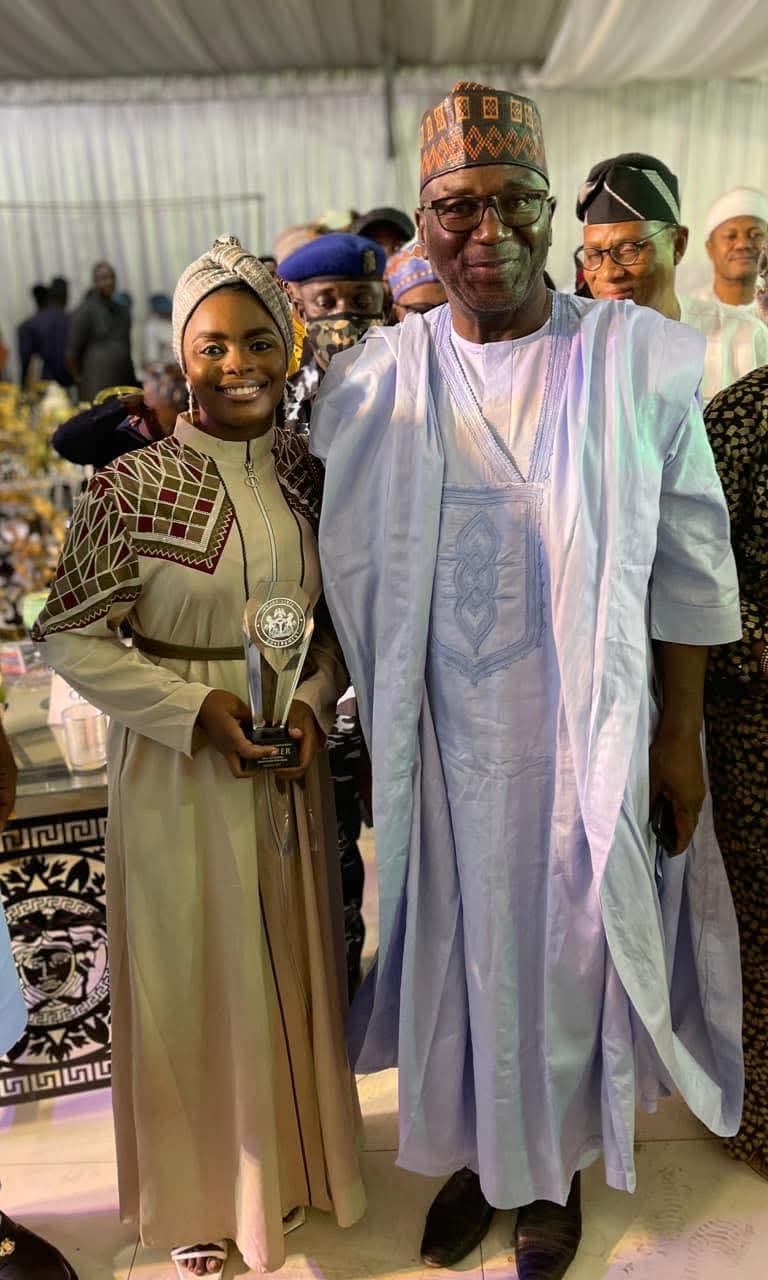
2022 was the year Kwara recognised my work under the administration of His Excellency, Mallam AbdulRahman AbdulRazaq(CON). At the Kwara State Government Dinner and Awards, I was honoured as Best Media Personnel in Kwara State—a milestone that validated years of promoting, portraying, and helping structure how government work reaches the people. The night was a magical one—lights, laughter, colleagues and mentors in one room—and the feeling that the path to more prosperity will come with ease settled in my chest and hasn’t left.
To every young person reading this: your dreams are valid. I never imagined receiving such a prestigious acknowledgement from my home state, and that recognition convinced me there is a level playing field for anyone willing to strive under this administration. Four years on, the aura of that evening still feels fresh, like a recent memory rather than a distant plaque on a shelf. Looking back makes one thing clear: I’m capable of driving organic, impactful engagements in Kwara and beyond—and the runway ahead is open. The shared dream is achievable; we can build it in layers—community by community, story by story—until the small rooms we started in become platforms that carry others.
To my fellow media professionals, thank you for your unwavering support over time. Your camaraderie, your critiques, your late-night edits and early-morning shoots—those are the invisible scaffolding behind any public recognition.
His Excellency, Mallam AbdulRahman AbdulRazaq (CON), thank you for the recognition and for creating the space for merit to be seen and rewarded. Your administration’s emphasis on opportunity and performance gave my work a stage; I’m grateful for the trust and for an environment where effort can translate into impact.
As the chess master reminds us, we can achieve Greater things from a Small Place—and Kwara is proof.
The Nigerian Communications Commission (NCC) said it has directed Mobile Network Operators (MNOs) to provide compensation to subscribers whose network quality of service experience is below specified targets within specific locations.
In a Sunday statement, the Commission noted that its position is that subscribers should not be made to bear the full burden of service disruptions where operators fail to meet prescribed standards of service delivery.
Under this directive, erring operators will compensate affected users directly for breaches of Quality of Service (QoS) Key Performance Indicators (KPIs).
Mobile Network Operators (MNOs) will be required to pay these compensations for instances of poor quality of service recorded within specified time frames.
“The compensation will be provided in the form of airtime credits, calculated based on subscribers’ average spending patterns and their presence within Local Government Areas where service failures occur”, according to the statement.
The directive is rooted in the Commission’s broader regulatory philosophy that places the consumer at the centre of Nigeria’s telecommunications ecosystem.
“Telecommunications services today underpins economic activity, social interaction, and access to digital opportunities. When service quality is poor, the consequences affect productivity, commercial activities, and even public confidence in our communications system.
“While regulatory fines have traditionally served as a deterrent against poor service delivery, the Commission is adopting a more consumer-focused approach that strengthens accountability within the industry”.
The Commission explained that it has designed this measure to complement existing and ongoing efforts to strengthen service quality monitoring and enforce performance standards.
READ ALSO: Partner With Dangote Refinery, Take Petrol Back To ₦800, Paul Alaje Tells FG As Iran War Rages
Further to this directive by the Commission to MNOs on compensation to consumers, the Commission has mandated Tower Companies that own the critical infrastructure for Quality of Service delivery, such as masts, to invest in infrastructure with measurable outcomes using sums that it has fined these companies, in addition to other financial fines the Commission will deem appropriate.
“The Commission will continue to reinforce the obligation of operators to invest consistently in network resilience, capacity expansion, and infrastructure upgrades to meet the growing demand for telecommunications services.
“At the same time, it will deploy regulatory tools that promote fairness, transparency, and accountability across the sector, ensuring that every subscriber receives the quality of service they deserve while sustaining a telecommunications industry capable of powering Nigeria’s digital future”, the statement added.
In February 2026, the Nigerian Navy was recognised by the Global Firepower Index as the African Navy with the strongest fleet. February 2026 also marked one year since Nigeria entered into a historic agreement with the African Union, for the Nigerian Navy to provide strategic sea-lift services to the AU’s peacekeeping, disaster response, humanitarian aid, and personnel movement operations across the continent.
Similarly, March 2026 marks four years since Nigeria officially exited the International Maritime Bureau’s list of piracy-prone countries. And then in June 2026, the Nigerian Navy-led Gulf of Guinea Combined Maritime Task Force (CMTF) will take off, coinciding with the Navy’s 70th anniversary.
The new Force is a landmark, ready-to-deploy, multinational force capable of rapid, coordinated regional maritime security responses, with the objective of tackling the complex security threats in the Gulf of Guinea. A Nigerian Navy officer is already serving as its pioneer commander.
All of the above, along with other maritime security successes and milestones championed by the Nigerian Navy – including the establishment in 2025 of the Nigerian Navy Marine Corps and the Nigerian Navy Special Operations Command (NNSOC) – did not happen by accident. They have all been the product of deliberate effort, vision, and leadership, under successive Chiefs of the Naval Staff.
The vision of the incumbent Vice Admiral Idi Abbas, a decorated Above Water Warfare (AWW) specialist who assumed office as Nigeria’s 25th Chief of the Naval Staff on October 30, 2025, is “to develop a modern, agile, and professional naval force dedicated to securing Nigeria’s maritime interests and advancing national security objectives in synergy with other security agencies.”
From operational engagements to strengthening local and international partnerships, the new Navy Chief has demonstrated his resolve to build upon a proud and storied legacy that turns seventy this year. His very first official visit was to Makurdi, where the Nigerian Navy’s newest formation, the Special Operations Command, is taking shape on the banks of the River Benue. Vice Admiral Abbas stated that the choice of Makurdi as first port of call was deliberate, given the strategic role the new Command will play in tackling security challenges in the North Central region.
The Nigerian Navy is active across the length and breadth of the country, playing major roles in various internal security operations in no fewer than 30 States. In the Northeast, the Naval Base Lake Chad in Baga, Borno State, has become a vital hub in the anti-insurgency campaign. Vice Admiral Abbas visited the base on New Year’s Day 2026 to spend time with troops and to reflect on ongoing successes that have helped open critical waterways and bolster the livelihoods of farmers, fishermen, traders, transporters, and other residents.
The new Naval Chief has also taken international engagements to a new level, demonstrating a clear understanding of the role of multilateral cooperation in ensuring national, regional, and continental security. In January 2026, he led a delegation to the Doha International Maritime Defence Exhibition and Conference, hosted by the Qatar Armed Forces. In February, a Nigerian Navy delegation visited Egypt for a bilateral engagement with the Egyptian Navy, focused on deepening cooperation across training, and operational and technical capacity, with a return visit from the Egyptian Navy planned for April 2026. In March, the Navy received visits from the United States Special Operations Commander for Africa, and the Danish Ambassador to Nigeria, among others.
Prior to his appointment as Chief of the Naval Staff, Vice Admiral Abbas served as a Senior Research Fellow at the Nigerian Army Heritage Centre in Abuja – a testament to his intellectual inclinations. This came further to the fore in a lecture he delivered to Course 34 participants at the National Defence College, Abuja, in February, titled “Maritime Power and National Security: The Nigerian Navy in Perspective.”
Vice Admiral Abbas has stressed his determination to ensure that the Navy’s mission and vision are in full alignment with President Bola Ahmed Tinubu’s Renewed Hope Agenda. Among his stated priorities for the year ahead is the intensification of Nigerian Navy efforts to sustain and grow Nigeria’s oil production through increased patrols and surveillance.
Over the last two years, Nigeria’s average daily oil production has grown by over 300,000 barrels per day, with the Navy playing a significant role in that achievement. As Vice Admiral Abbas highlighted in his National Defence College address, Nigeria’s maritime environment – one of the most fertile hydrocarbon regions in the world – contributes approximately 8 percent to national GDP and accounts for 77 percent of total exports. The stakes, in other words, could hardly be higher.
As 2026 gathers momentum, it promises to be a landmark year for the Nigerian Navy – the platinum anniversary in June, which will be one of the defining moments of Abbas’ tenure. Among the highlights of the weeklong celebrations will be the formal take-off of the Gulf of Guinea Task Force. There will also be the sixth edition of the Sea Power for Africa Symposium, as well as an International Fleet Review presided over by Nigeria’s Commander-in-Chief, President Bola Ahmed Tinubu, GCFR.
In all, this anniversary will be a fitting stage for Africa’s leading Navy, and for an Admiral widely regarded as a welfare-oriented, people-centric leader – one who has hit the ground running and shown, in the early months of his command, outstanding vision and purposeful resolve.
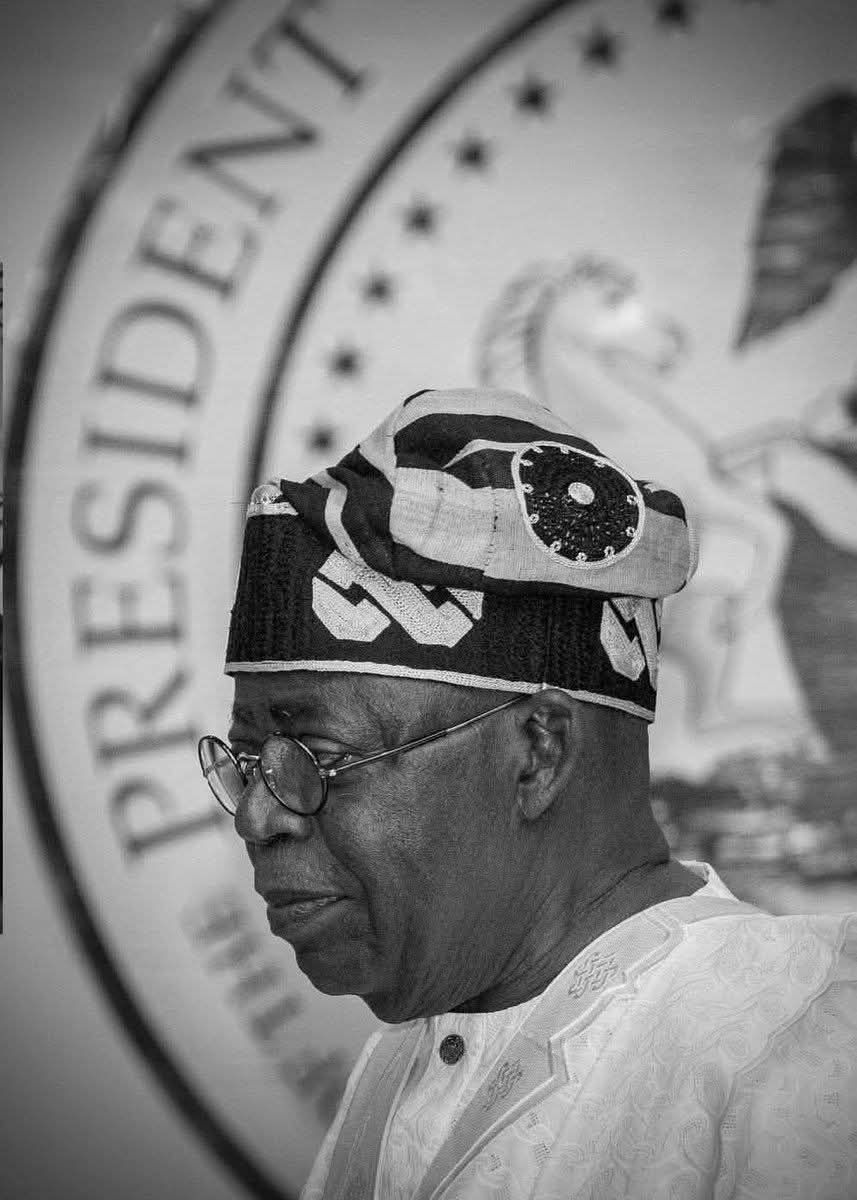
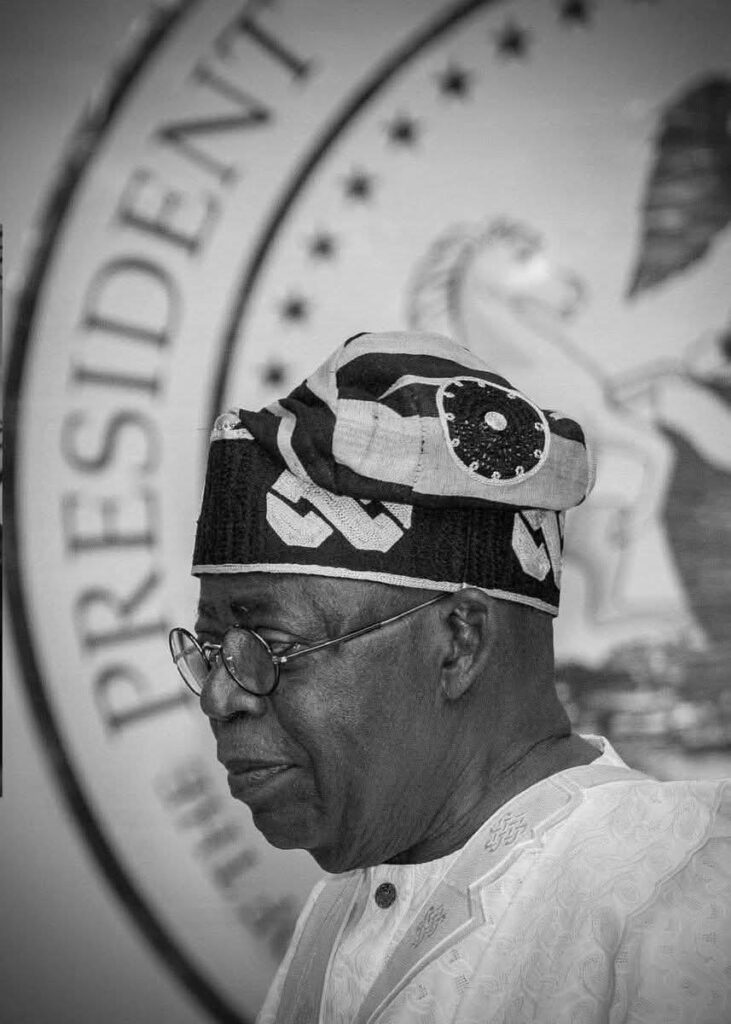
The Chairman of FlowFM 92.7 and Stefolga Group, Araba Femi Sanni, FNICE, FNSE, has extended warm congratulations to President Bola Ahmed Tinubu on the occasion of his 74th birthday.
In a statement personally signed by him, Sanni described President Tinubu as a visionary leader whose decades of service to the nation have left an indelible mark on Nigeria’s political and economic landscape.
“As President Bola Ahmed Tinubu marks another year, I join millions of Nigerians in celebrating a leader whose passion for progress and commitment to national development remain unwavering.
His journey from the trenches of democratic struggle to the highest office in the land is a testament to resilience, strategic thinking, and an abiding love for country,” Sanni stated.
He praised the President’s bold policy direction, noting that the reforms initiated under his administration have laid the groundwork for long-term economic stability and growth, even in the face of challenging global headwinds.
“On this special day, I pray that Almighty God grants President Tinubu continued wisdom, good health, and renewed strength to lead our nation toward the prosperity we all desire. His vision for a greater Nigeria is one we share, and we remain committed to supporting the progress he champions,” Sanni added.
Businessman, philanthropist and chairman, Flow FM Ilorin, Araba Femi Sanni, has called for a strategic economic repositioning of Kwara State, urging a shift from a predominantly civil service-driven economy to a dynamic conference and business tourism destination.
Speaking after returning from the UK, where he attended the Nigerian-UK Business Conference held in conjunction with President Bola Ahmed Tinubu’s visit, Sanni said emerging trends indicate the state is well-positioned for such a transformation.
He pointed to the growing frequency of same-day return flights between Lagos and Ilorin as evidence of increasing business traffic, adding that ongoing infrastructure projects under Governor AbdulRahman AbdulRazaq, including the simultaneous development of two conference centres and a five-star hotel, are laying the groundwork for a functional downtown ecosystem capable of hosting large-scale national and international events.
“This is not just an opportunity; it is a strategic imperative. Kwara State has the foundational assets to become a preferred hub for conferences, exhibitions, and corporate engagements in Nigeria,” Sanni said.
The business leader emphasized that diversifying the state’s economy through conference and business tourism would create jobs, enhance internally generated revenue, and strengthen Kwara’s contribution to national development.
He also highlighted the importance of security in sustaining this vision, noting that effective state policing would reduce insecurity, foster investor confidence, and support the state’s broader developmental agenda.
“This is the kind of forward-looking plan the state needs at this critical moment, to build on Governor AbdulRazaq’s ongoing transformation,” Sanni added.
NGF Chairman joins 20 governors for Eid-el-Fitr visit, highlights investment gains and renewed push to tackle insecurity
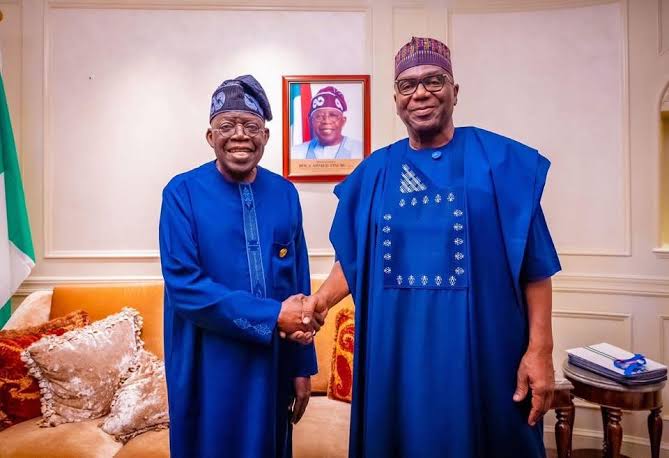
The Chairman of the Nigeria Governors’ Forum (NGF) and Kwara State Governor, AbdulRahman AbdulRazaq, on Sunday visited President Bola Ahmed Tinubu at his Lagos residence for Eid-el-Fitr, congratulating him on the historic state visit to the United Kingdom and the investment agreements reached with the UK government.
Governor AbdulRazaq described the visit, the first in 37 years, as bold and significant, noting that it signals a new level of bilateral relationship between Nigeria and the United Kingdom.
“While our mission has been to have a good relationship with the United Kingdom, the State Visit, first in 37 years, is bold and significant. It speaks to new levels of relationship with Nigeria, and we thank you for it,” AbdulRazaq said.
The NGF Chairman, who led over 20 governors from across political parties to the President’s Lagos residence, also discussed national security concerns, stressing the need for coordinated efforts between the Presidency, governors, and security agencies to address insecurity.
“Together, we must see that the issue of insecurity comes to an end. Regarding state police, discussions are ongoing with various security agencies led by the National Security Adviser, and the NGF has made its contributions. The NGF will take the document to the National Assembly to see how we can have a legislative framework for state police,” he added.
Governors who joined the visit included Hope Uzodinma (Imo), Alex Otti (Abia), Umo Eno (Akwa Ibom), Douye Diri (Bayelsa), Hyacinth Alia (Benue), Bassey Otu (Cross River), Sheriff Oborevwori (Delta), Francis Nwifuru (Ebonyi), Monday Okpebholo (Edo), Peter Mbah (Enugu), Mohammed Inuwa Yahaya (Gombe), and Umar Namadi (Jigawa).
Others were Abba Kabir Yusuf (Kano), Dikko Umaru Radda (Katsina), Ahmed Usman Ododo (Kogi), Babajide Sanwo-Olu (Lagos), Abdullahi Sule (Nasarawa), Caleb Mufwang (Plateau), Siminalayi Fubara (Rivers), Agbu Kefas (Taraba), Mai Mala Buni (Yobe), and Lucky Aiyedatiwa (Ondo).
Businessman, philanthropist and FlowFM 92.7 Chairman, Araba Femi Sanni, has penned a heartfelt tribute to his long-time friend, Adewale Ayuba, as he marks another year.
In a warm message, Araba recalled a cherished memory from 34 years ago, his bachelor’s eve party, where Ayuba’s memorable performance left an indelible mark. “A friend who shows up and makes moments unforgettable is a treasure,” Araba noted, celebrating over three decades of unwavering brotherhood.
He wished Ayuba continued good health, boundless joy, and many more years, praying that the years ahead bring even greater fulfillment and favour. Araba also offered prayers for Ayuba’s family, asking for peace, prosperity, and divine protection over his home.
The Chairman of FlowFM 92.7 and Stefolga Group, Araba Femi Sanni, has extended warm felicitations to Muslim faithfuls in Kwara State and across Nigeria on the joyous occasion of Eid-el-Fitr, marking the successful completion of the holy month of Ramadan.
In a goodwill message personally signed by him, Sanni congratulated the Muslim Ummah for fulfilling the spiritual obligations of fasting, prayer, and charity throughout the blessed month.
“I join millions of Muslim faithfuls in Kwara State and across Nigeria in celebrating the successful completion of Ramadan. This sacred season of sacrifice, reflection, and deepening faith has once again demonstrated the spiritual resilience and devotion of our Muslim brothers and sisters,” Sanni stated.
He noted that the virtues of Ramadan, including compassion for the less privileged, self-discipline, and renewed commitment to righteousness, should extend beyond the month and become guiding principles in daily life.
“The lessons of Ramadan are timeless. The empathy felt for the hungry, the discipline of the fast, the generosity extended to neighbours, and the peace sought through prayer must not end with the sighting of the new moon. These are values that should shape our character and conduct throughout the year,” he added.
Sanni also used the occasion to call for continued unity and peaceful coexistence among all residents of Kwara State, regardless of religious or ethnic background. He described Kwara as a beacon of interfaith harmony, where mutual respect and understanding have long been cherished.
“Kwara remains a shining example of peaceful coexistence. As our Muslim brothers and sisters celebrate, let us remember that our strength lies in our unity. Let us continue to live as one family, supporting one another and building a state where everyone can thrive,” he said.
He concluded with prayers for the acceptance of all acts of worship and for peace, progress, and prosperity to reign in Kwara State and Nigeria at large.
The Kwara State Signage and Advertisement Agency (KWASAA) has warned political aspirants and parties against erecting unauthorized billboards across the state without obtaining the required approval from the agency.
The warning was issued by the Ag General Manager, Toba Adeyeye, during the agency’s official visit to Kwara South as part of its ongoing sensitisation and enforcement drive.
He emphasized that the administration of Mallam AbdulRahman AbdulRazaq has recorded remarkable achievements in the beautification and restructuring of the state, noting that such progress must not be undermined by unauthorized billboard placements.
“His Excellency has done a lot in repositioning Kwara State through urban renewal and environmental improvements. As an agency, we will not allow any aspirant or political party to jeopardize this great progress with illegal billboard installations,” he stated.
The Ag General Manager reiterated that KWASAA remains open to all stakeholders, including political aspirants and parties, for proper approval of billboards and other advertising-related matters.
He further disclosed that the agency is currently developing a well-structured layout for political campaign advertisements across the state to ensure orderliness, safety, and improved aesthetic standards.
“As part of this initiative, KWASAA will organise a special stakeholders’ engagement forum for political aspirants and parties in April. The forum is aimed at fostering dialogue, providing guidance, and ensuring full compliance with signage and advertisement regulations,” the Ag General Manager added.
The agency therefore urged all political stakeholders to adhere strictly to laid-down guidelines and seek appropriate approvals before installing any billboard structures.