Category: Opinion

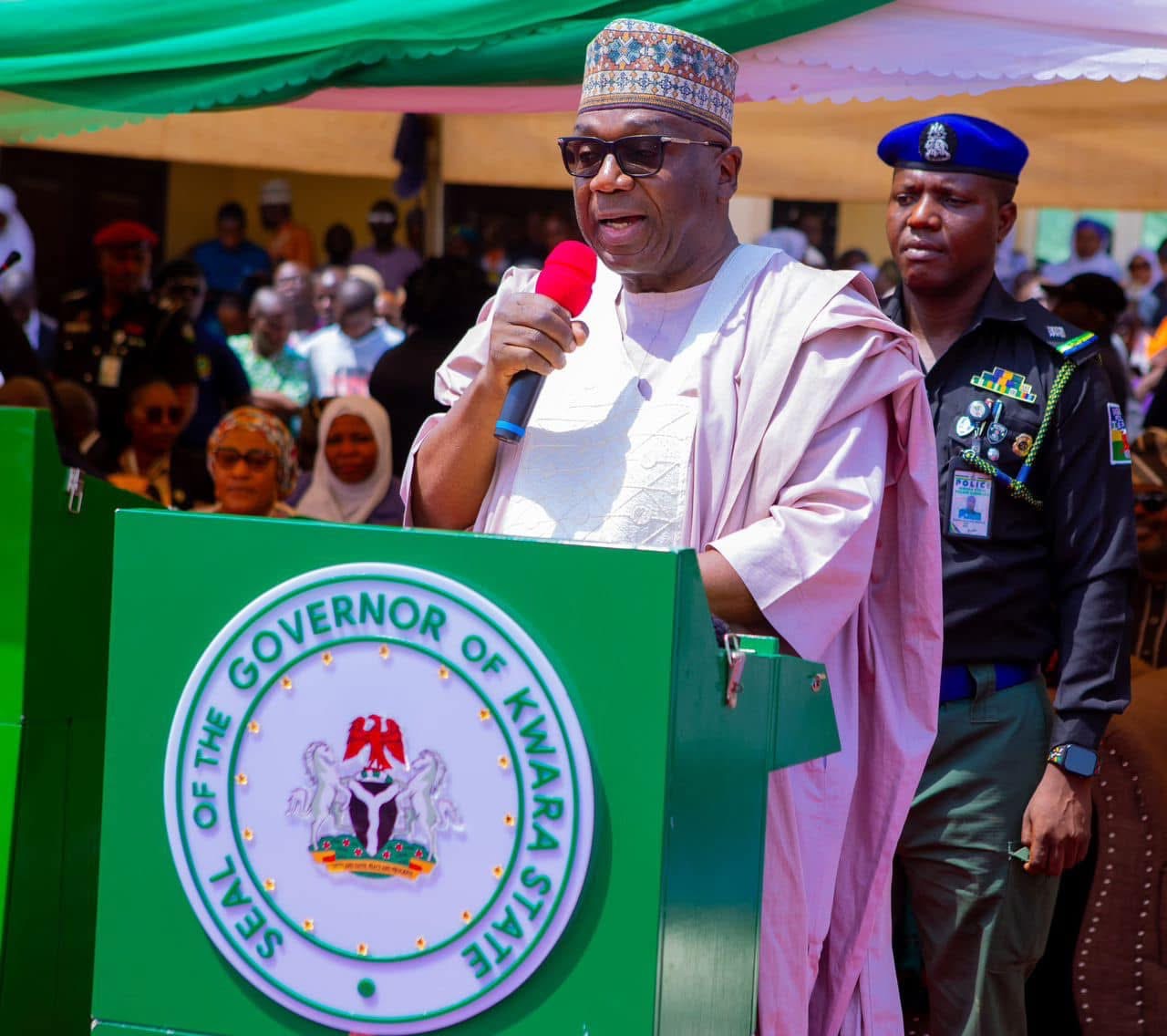
  • Championing Inclusivity: Governor AbdulRahman AbdulRazaq’s Commitment to Persons with Special Needs in Kwara State by Ibrahim Shukurat

    Championing Inclusivity: Governor AbdulRahman AbdulRazaq’s Commitment to Persons with Special Needs in Kwara State by Ibrahim Shukurat

    Governor AbdulRahman AbdulRazaq’s leadership in Kwara State stands as a transformative force, particularly in his approach to addressing the needs of persons with disabilities.

    In a nation where individuals with special needs often face marginalization and systemic neglect, Governor AbdulRazaq has charted a new course, one that places inclusivity, dignity, and empowerment at the forefront of governance.

    His administration’s initiatives have not only improved the quality of life for persons with disabilities but have also set a benchmark for what inclusive governance can achieve.

    Legislative Milestones and Policy Implementation

    One of the most significant strides made under Governor AbdulRazaq’s leadership is the enactment of comprehensive legislation designed to safeguard the rights of individuals with disabilities.

    This law ensures inclusivity across various sectors, mandating accessibility in public buildings, promoting non-discriminatory practices in employment, and facilitating equal access to education and healthcare services.

    Such legislative measures have laid a robust foundation for protecting and empowering persons with disabilities in Kwara State.

    Understanding the pivotal role of education in empowerment, Governor AbdulRazaq’s administration has prioritized the refurbishment and upgrading of educational facilities catering to special needs students.

    A notable example is the rehabilitation of the state School for Special Needs, where a fully equipped clinic was inaugurated to provide essential healthcare services to students.

    This initiative not only addresses the medical needs of these children but also fosters an environment conducive to holistic learning and development.

    Mobility is a fundamental aspect of independence for individuals with physical disabilities.

    Recognizing this, the Kwara State government, under Governor AbdulRazaq’s directive, has distributed mobility aids and appliances to physically challenged individuals.

    These provisions, including wheelchairs and crutches, are aimed at enhancing mobility, thereby improving the quality of life and enabling greater participation in societal activities.

    Community Engagement and Social Inclusion

    Governor AbdulRazaq’s approach extends beyond policy and infrastructure; it encompasses active community engagement to combat stigma and promote acceptance.

    In a bid to reorient societal perceptions, the Governor participated in a mega rally commemorating the International Day of Persons Living with Disabilities.

    Such public demonstrations of support play a crucial role in fostering an inclusive society where individuals with special needs are valued and integrated.

    The administration acknowledges the vital role of caregivers and families in the lives of persons with special needs.

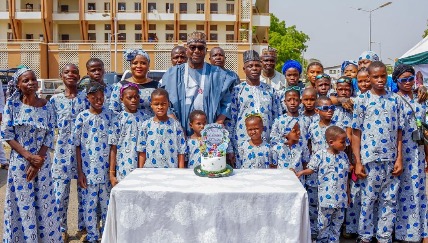
    To this end, Governor AbdulRazaq has initiated programs aimed at supporting these unsung heroes. During festive seasons, the Governor has been known to attend events organized for special children, where he not only donates gifts but also spends quality time, thereby uplifting the spirits of both the children and their caregivers.

    Such gestures underscore the administration’s holistic approach to inclusivity, recognizing and appreciating the ecosystem that supports individuals with special needs.

    The First Lady of Kwara State, Amb. Prof. Mrs Olufolake Abdulrazaq, complements these efforts through her engagements with organizations representing persons with disabilities.

    Her meetings with the Joint National Association of Persons with Disabilities have been instrumental in understanding their challenges and tailoring support to meet their specific needs.

    This collaborative approach ensures that interventions are not only well-informed but also effectively address the concerns of the special needs community.

    Conclusion

    Governor AbdulRahman AbdulRazaq’s administration in Kwara State exemplifies a progressive shift towards genuine inclusivity and empowerment of persons with special needs.

    Through comprehensive legislation, infrastructural development, community engagement, and collaborative efforts, his administration has made significant strides in ensuring that no segment of the population is left behind.

    The Governor’s initiatives serve as a model for other regions, demonstrating that with political will and compassionate leadership, societal barriers can be dismantled, paving the way for a more inclusive and equitable society.

    His work not only benefits persons with disabilities but enriches the entire community by fostering a culture of acceptance, respect, and shared growth.

    Ibrahim Shukurat alias Elelu Ayoola writes from Ilorin East

  • From the Shadows of Stagnation to the Light of Progress: Why Kwara Needs Visionary Leadership by Babajide Fadoju

    From the Shadows of Stagnation to the Light of Progress: Why Kwara Needs Visionary Leadership by Babajide Fadoju

    For decades, Kwara State was synonymous with the Saraki political dynasty—a hegemonic force that shaped the state’s political and economic landscape through a system often referred to as Ile-Loke politics. Rooted in the political structures of Kwara’s past, it reflects the centralization of decision-making and resources within a privileged elite, to the detriment of grassroots development. While the Saraki era remains a significant chapter in the state’s history, it also left a legacy of stagnation, stifling progress and innovation.

    At its core, Ile-Loke politics allegedly perpetuated a patronage system that prioritized loyalty to the dynasty over merit and competence. Under this arrangement, political appointments and contracts were allegedly doled out as rewards for allegiance rather than being rooted in a strategy for development. This dynamic created a culture of dependency that discouraged independent thinking and innovation, while entrenching systemic inefficiencies in governance. Instead of empowering communities, the focus was on consolidating power within a select group, leaving the state’s vast potential untapped.

    The consequences of this political arrangement were stark. Kwara lagged behind other states in the North-Central region in terms of industrialization and human capital development. Neighboring states such as Niger and Kogi began to outpace Kwara in attracting investments and fostering inclusive growth. The sense of frustration among Kwarans grew as they watched their state remain mired in underdevelopment, while promises of transformation under the Saraki dynasty consistently fell short.

    Governor AbdulRahman AbdulRazaq’s emergence in 2019 marked a decisive break from the Saraki-dominated past. His administration has symbolized a shift from Ile-Loke politics to a governance model centered on transparency, accountability, and grassroots engagement. By prioritizing the needs of the people over political patronage, the AbdulRazaq-led government has embarked on transformative projects that are directly impacting lives. The ongoing urban renewal in Ilorin, the rehabilitation of over 600 schools, and investments in rural road construction are emblematic of this new direction.

    Moreover, the Governor’s administration has dismantled structures that enabled the concentration of power in the hands of a few. By decentralizing governance and actively engaging with communities across the state, the government is fostering a sense of ownership and participation among ordinary Kwarans. This approach is in sharp contrast to the Ile-Loke era, where decisions were made in the interest of a select elite.

    The political liberation of Kwara in 2019, often referred to as O To Ge (Enough is Enough), was more than a rejection of the Saraki dynasty, it was  a demand for a new kind of leadership—one that places development above personal interests. 

    Kwara State, long plagued by the challenges of poor governance and stagnation under past administrations, has experienced a remarkable turnaround under the leadership of Governor AbdulRahman AbdulRazaq. Through his visionary leadership, the state has witnessed a transformation in infrastructure, education, and economic development, earning widespread acclaim. The strides made over the past years underscore the importance of entrusting Kwara’s future to leaders who prioritize progress, transparency, and the welfare of the people.

    One of the most visible aspects of Governor AbdulRazaq’s leadership is his commitment to urban renewal and infrastructure development. In Ilorin, the state capital, his administration has embarked on ambitious urban renewal projects that have modernized the metropolis, improving its aesthetics and functionality. While some have raised concerns about the displacement of small businesses in the process, the overall reception has been positive, with residents lauding the enhanced infrastructure and strategic urban planning.

    Education, a sector that had been neglected for years, has also undergone a remarkable transformation. The renovation of over 600 schools stands as a testament to the administration’s focus on human capital development. These efforts have not only provided conducive learning environments but have also restored hope among students and educators alike. This investment in education is setting the foundation for a more informed and skilled generation that will drive the state’s future prosperity.

    In agriculture, the administration’s 10-year Agriculture Transformation Plan has provided a lifeline for farmers and agrarian communities. This initiative aims to promote food security and resolve long-standing conflicts between farmers and herders, ensuring sustainable development in rural areas. Additionally, the government’s decision to flag off the construction of 209.77km of rural roads is a strategic move to improve connectivity and stimulate economic activity across the state.

    These achievements have not gone unnoticed. The Progressive Governors’ Forum described Governor AbdulRazaq’s accomplishments as “breathtaking,” highlighting the tangible improvements made across multiple sectors. Such recognition underscores the transformative impact of his administration’s policies and initiatives, which have lifted Kwara out of the doldrums and placed it on a path of sustainable growth.

    As Kwara State looks to the future, it is imperative that its leadership remains in the hands of a visionary; like Governor AbdulRahman AbdulRazaq, someone who will think beyond themselves and will be about what benefits Kwarans. The progress made under his tenure demonstrates the power of purposeful governance. Leaders who are committed to transparency, development, and the collective good are essential for ensuring that Kwara’s newfound momentum not only endures but accelerates.

    The journey from stagnation to progress is far from over. To secure a brighter future for Kwara, its people must rally behind leaders who have proven their capacity to deliver results. Governor AbdulRahman AbdulRazaq has shown what is possible when leadership is driven by vision and a genuine commitment to the people. The stakes are high, and the choice is clear: the future of Kwara must remain in capable hands to sustain the gains of today and unlock the potential of tomorrow.