Author: admin

  • Seventy Years Strong: The Unstoppable Journey of Nigeria’s Platinum Navy

    Seventy Years Strong: The Unstoppable Journey of Nigeria’s Platinum Navy

    By Babajide Fadoju

    In 2026, the Nigerian Navy will officially turn 70, having come into existence on June 1, 1956, as the Nigerian Navy Defence Force (NNDF). The middle child of Nigeria’s Armed Forces—younger than the Army but older than the Air Force—the Service is approaching a platinum jubilee milestone.
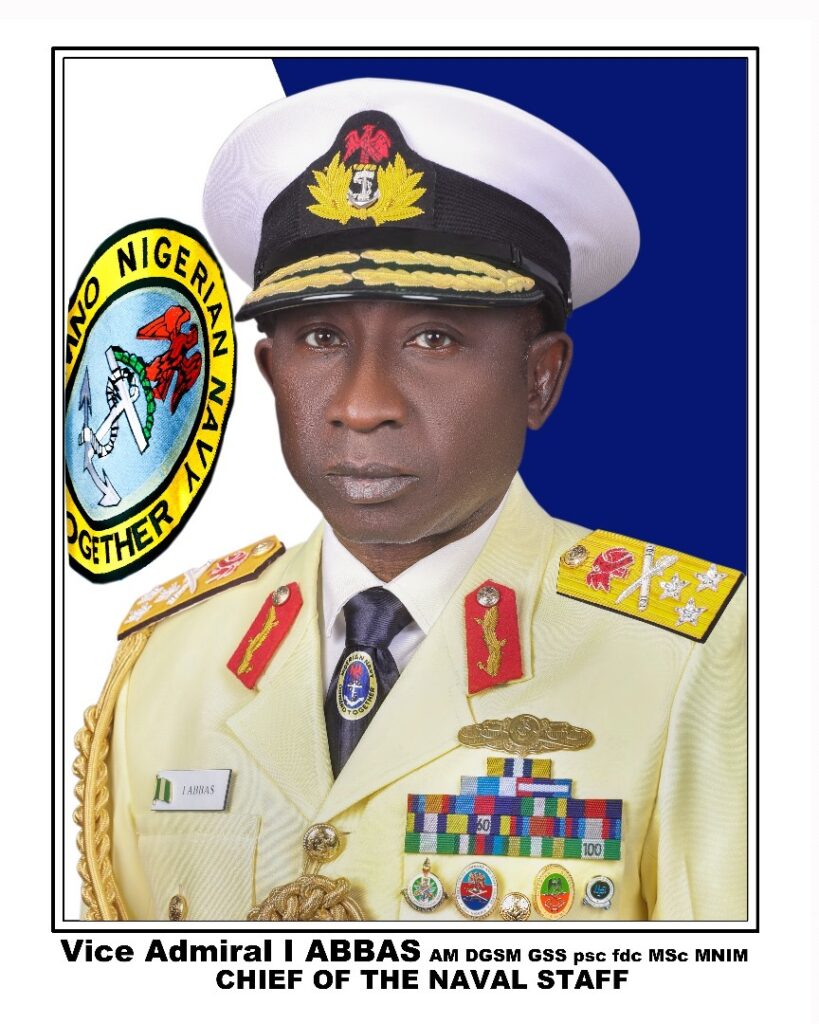
    For the Navy, and for the nation as a whole, this anniversary is a moment to celebrate and honour an enduring legacy of courageous service. It is also an opportunity to reaffirm the Navy’s unwavering commitment to safeguarding Nigeria’s maritime domain and protecting the country’s vital economic lifelines at sea.

    Platinum, as a metal, symbolises strength and durability. It is resistant to wear and corrosion, widely used across industries, and is, in fact, the most ductile of all pure metals—able to be stretched into thin wire without breaking.

    It is a fitting metaphor for the Nigerian Navy: resilient under pressure, adaptable in form, and enduring in purpose.
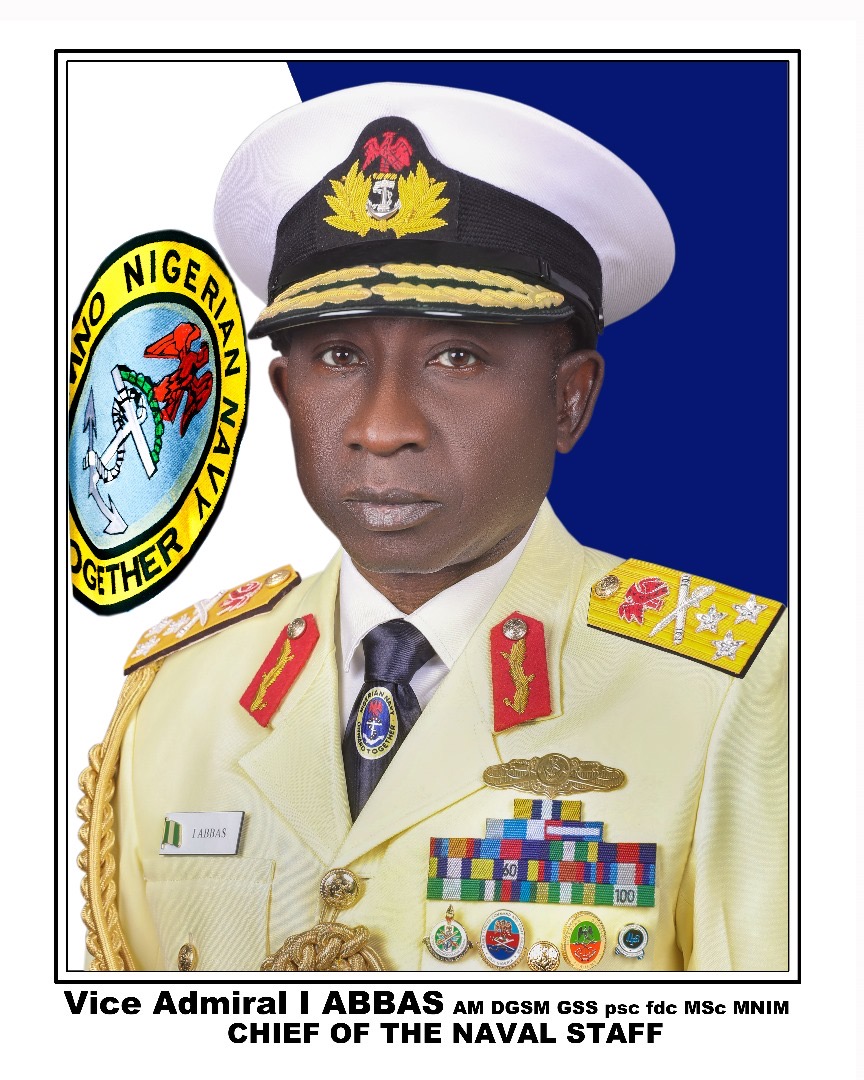
    The man who will lead the Service through its 70th anniversary and into the next phase of its journey is Vice Admiral Idi Abbas, the 56-year-old 25th Chief of the Naval Staff, who assumed command on the penultimate day of October 2025. Since taking office, the highly decorated Above Water Warfare specialist has signalled his determination to preside over a defining era for the Navy.

    For his command, 2026 will be a pivotal year—an opportunity to present to the world a Nigerian Navy that is at its most capable, most motivated, and most formidable in its history, and to demonstrate fidelity to his inaugural pledge to “uphold the proud traditions of excellence and service that define our Navy,” while leading from the front, listening attentively, and keeping personnel welfare at the heart of command.

    As the new year gets underway, preparations are gathering momentum, under Abbas’ leadership, for the anniversary celebrations, which will take place within the symbolic window between May 29 and June 12—two of the most significant dates in Nigeria’s democratic calendar. That symbolism should not be overlooked. The Navy, like the rest of the Armed Forces, occupies a special place in Nigeria’s democracy: protecting national sovereignty, preserving territorial integrity, and projecting Nigerian power and influence beyond its shores.

    Planned events for the platinum jubilee include an International Maritime Conference and Exhibition, as well as an International Fleet Review (IFR). Of all the Services, the Nigerian Navy is perhaps the most intrinsically international in outlook, given the multinational nature of the maritime environment in which it operates. It is therefore no surprise that navies from around the world will converge on Nigeria in the first week of June to participate in the celebrations, underscoring the Service’s growing global partnerships and standing.

    It is not an exaggeration to say that the modest force that began in 1956 with a handful of patrol, training, and survey vessels would barely recognise today’s Nigerian Navy. What now exists is one of Africa’s most formidable and respected maritime forces, equipped with modern platforms, improved infrastructure, and a more professionalised corps of officers and ratings.

    Even compared to the Navy that marked its 60th anniversary in 2016, today’s Service represents a significant leap forward. The past decade has seen sustained investment, doctrinal refinement, and operational improvement. The results are evident. This is the Nigerian Navy that has kept Nigeria off the global list of piracy-prone nations for four consecutive years, maintaining a clean slate since that historic achievement in 2022—no small feat in one of the world’s most complex maritime regions.

    This is also the Nigerian Navy that, in 2025, concluded an agreement with the African Union to provide strategic sea lift services in support of AU humanitarian operations across the continent. Central to this capability is NNS KADA, one of the most modern and capable warships in Africa today.

    Indeed, it is KADA’s advanced capabilities that positioned the Navy to credibly offer such support to the African Union.
    The Navy’s elite Special Boat Service (SBS) has further strengthened its reputation as a top-tier special forces unit, and is now complemented by a newly established Special Operations Command (SOC), strategically located along the banks of the River Benue in Makurdi, Benue State.

    Beyond defence, the Nigerian Navy has increasingly asserted itself in humanitarian assistance and community impact. Through dozens of infrastructure projects nationwide, as well as high-risk rescue and evacuation operations, the Service has saved countless lives that would otherwise have been lost to maritime accidents and flooding.

    In August 2024, all 59 crew members of the dredging vessel MV Ambika 4 were rescued during a ten-hour naval operation—an operation that tragically claimed the life of Lieutenant Commander Gideon Yashim Gwaza, who led the mission and paid the ultimate price in service to others. More recently, on December 22, 2025, Nigerian Navy personnel rescued 20 crew members from the burning MV Chimba Express along the Calabar waterways.

    Nigeria was also recently in the news for the military intervention that helped preserve democracy in the Republic of Benin following an attempted coup on December 7. Less widely known, however, is the Nigerian Navy’s quiet but crucial role in strengthening Benin’s maritime security. Just two weeks before the attempted coup, the Naval Dockyard Limited formally handed over a fully refitted Benin Navy ship, BNS Matelot Brice Kpomasse, as part of an agreement to repair and upgrade six Beninese naval vessels signed in 2024.

    The Nigerian Navy has also become a valued partner in the global effort to fully map the world’s ocean floor. In May 2023, it entered a historic partnership with the Nippon Foundation–GEBCO Seabed 2030 Project, reflecting the significant advances the Service has made in oceanographic research, hydrographic surveying, and technical expertise. These advances have delivered tangible local benefits, with the National Hydrographic Agency—formerly the Nigerian Navy Hydrographic Office—producing updated and more accurate charts of Nigeria’s waterways.

    These achievements outlined above represent only a fraction of what defines Nigeria’s platinum Naval Force. Like every other Service, and the entirety of Nigeria’s security architecture, the Nigerian Navy has been able to count on the unwavering support and commitment of the Commander-in-Chief, His Excellency, President Bola Ahmed Tinubu. With this level of support, there is no doubt that the best is yet ahead; that fair winds and following seas are already assembling to usher the Nigerian Navy into an even more rewarding next chapter.

    Babajide Fadoju writes from Ondo State
  • AbdulRazaq Mourns Death of Ilorin Chief Imam, Sheikh Muhammad Bashir Solih

    AbdulRazaq Mourns Death of Ilorin Chief Imam, Sheikh Muhammad Bashir Solih

    …Governor describes late cleric as one of Ilorin’s finest Muslim scholars

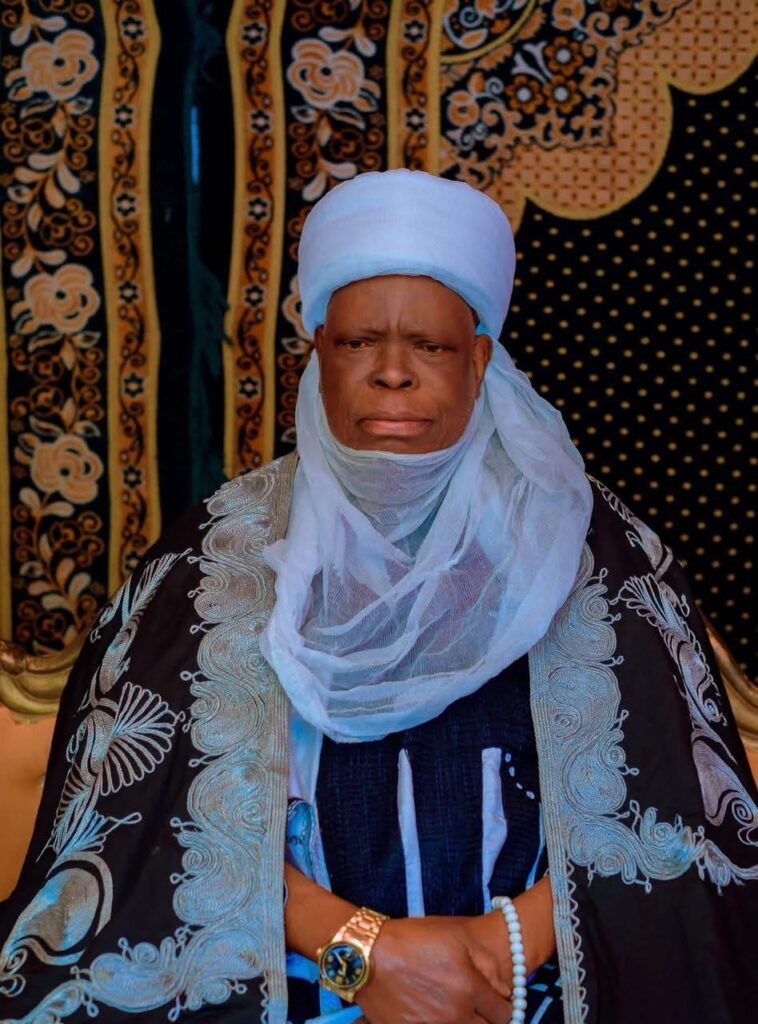
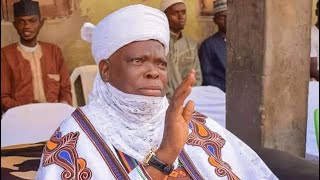
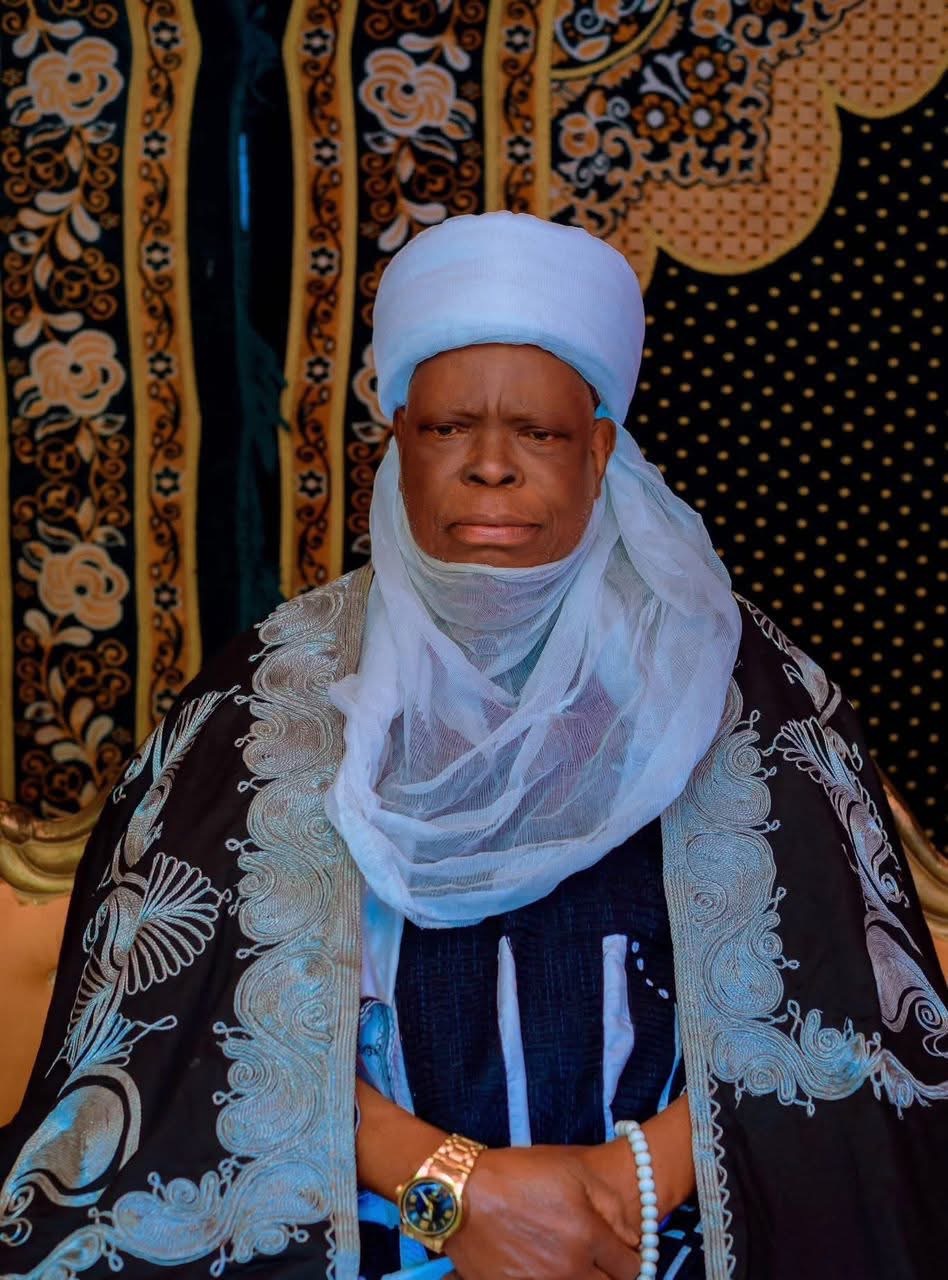
    Kwara State Governor, AbdulRahman AbdulRazaq, has expressed deep sorrow over the death of the Chief Imam of Ilorin, Sheikh Muhammad Bashir Imam Solih (OON), who passed away on Monday morning in Abuja at the age of 75.

    In a condolence message issued on Monday, the Governor said the death of the Chief Imam was a painful loss to Ilorin Emirate, Kwara State, and the wider Muslim community.

    AbdulRazaq described the late Sheikh Muhammad Bashir as a leading light in Islamic scholarship, noting that he represented one of the finest traditions of Muslim learning in the history of Ilorin.

    “The passing of the Chief Imam, shocking and saddening as it is, reminds us that even great men answer the call of their Creator,” the Governor said.

    He noted that the late cleric would be remembered for his depth of knowledge, patience, humility, and his conduct as the spiritual leader of Muslims in the state.

    The Governor extended his condolences to the Emir of Ilorin, Dr. Ibrahim Sulu-Gambari (OFR), the Ilorin Emirate, the Kwara State Council of Ulamah, and the family of the deceased.

    He prayed Allah to forgive the shortcomings of the late Chief Imam, accept his service, grant him Al-jannah Firdaus, and give his family and the Muslim community the strength to bear the loss.

    Sheikh Muhammad Bashir Imam Solih served as Chief Imam of Ilorin until his death and was widely respected for his scholarship and leadership across the state.

  • Chief Imam of Ilorin, Shaykh Muhammad Bashir Solih, Passes Away

    Chief Imam of Ilorin, Shaykh Muhammad Bashir Solih, Passes Away

    … Late Spiritual Leader Served as Emirate’s 12th Chief Imam for Over Four Decades

    The Chief Imam of Ilorin and Chairman of the Kwara State Council of Ulama, His Eminence Shaykh Muhammad Bashir Solih, OON, has passed away. He served as the 12th Chief Imam of the Ilorin Emirate, a position he held for over four decades following his appointment in 1983.

    His death marks the end of an era for the Ilorin Muslim community, where he provided spiritual leadership and guidance for generations. Official confirmation of his passing was announced early Monday.

    Funeral arrangements and succession plans are expected to be communicated by the Ilorin Emirate Council and the Ulama Council in the coming days.

  • Ilorin walkways and my teacher-friends

    Ilorin walkways and my teacher-friends

    Rafiu Ajakaye

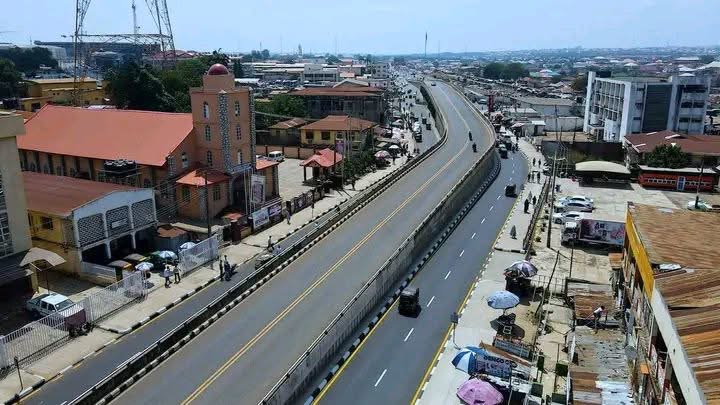
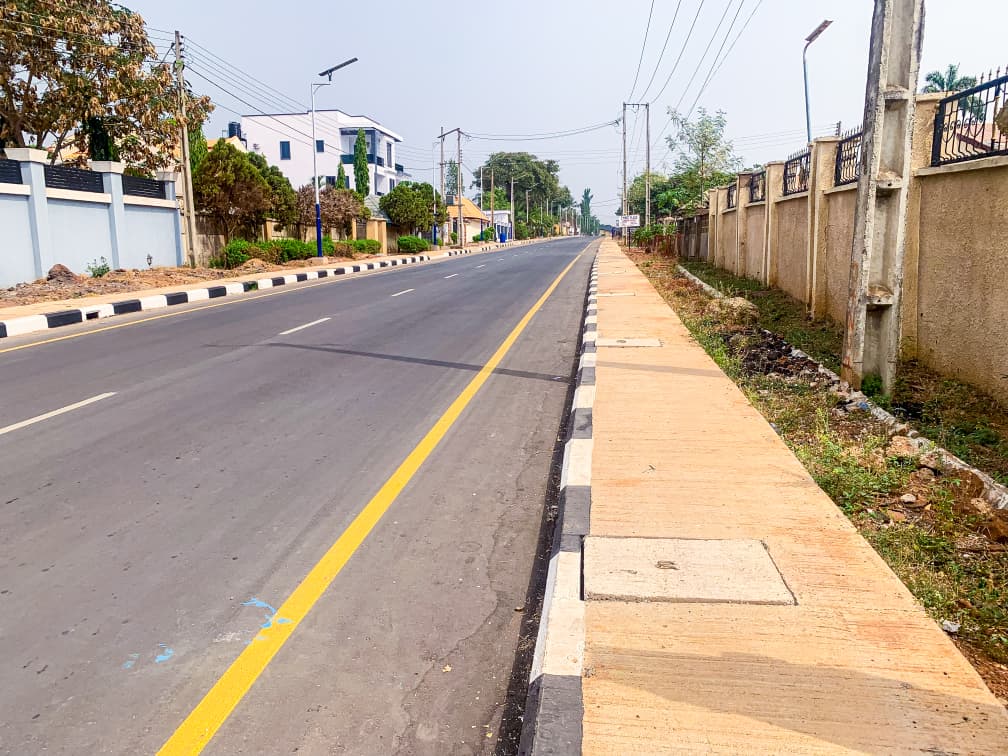
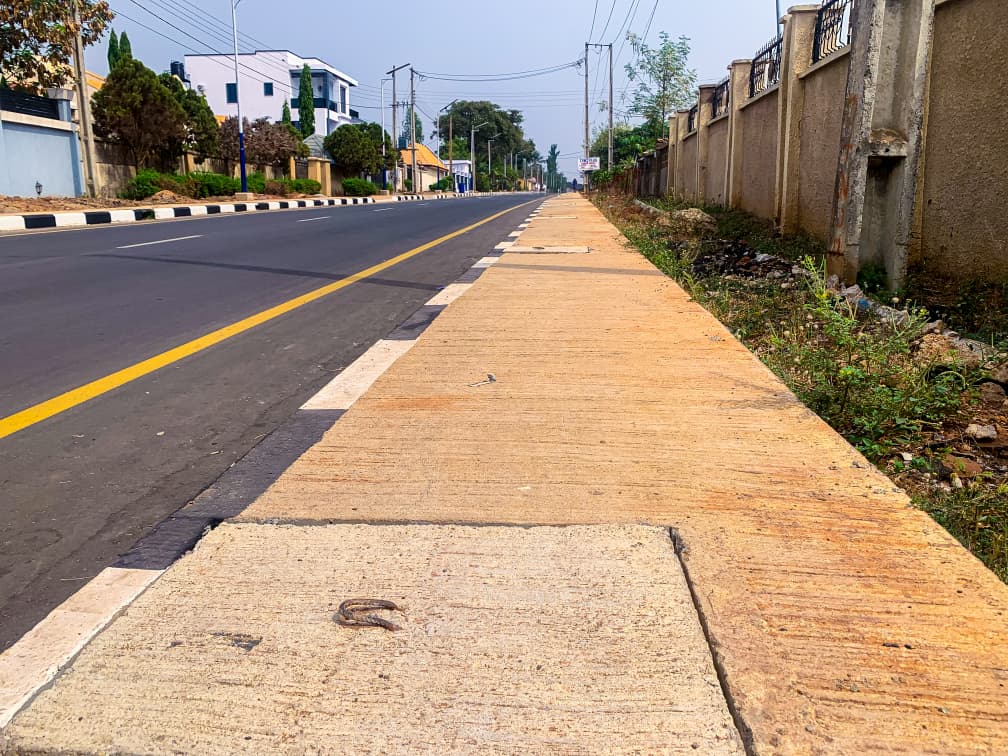
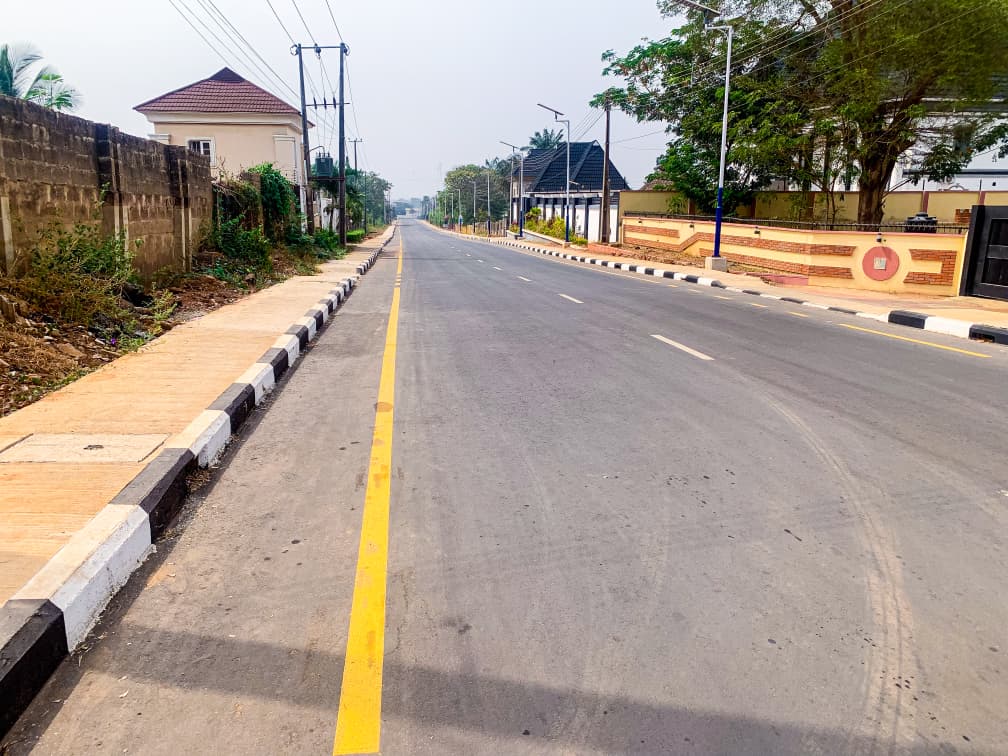
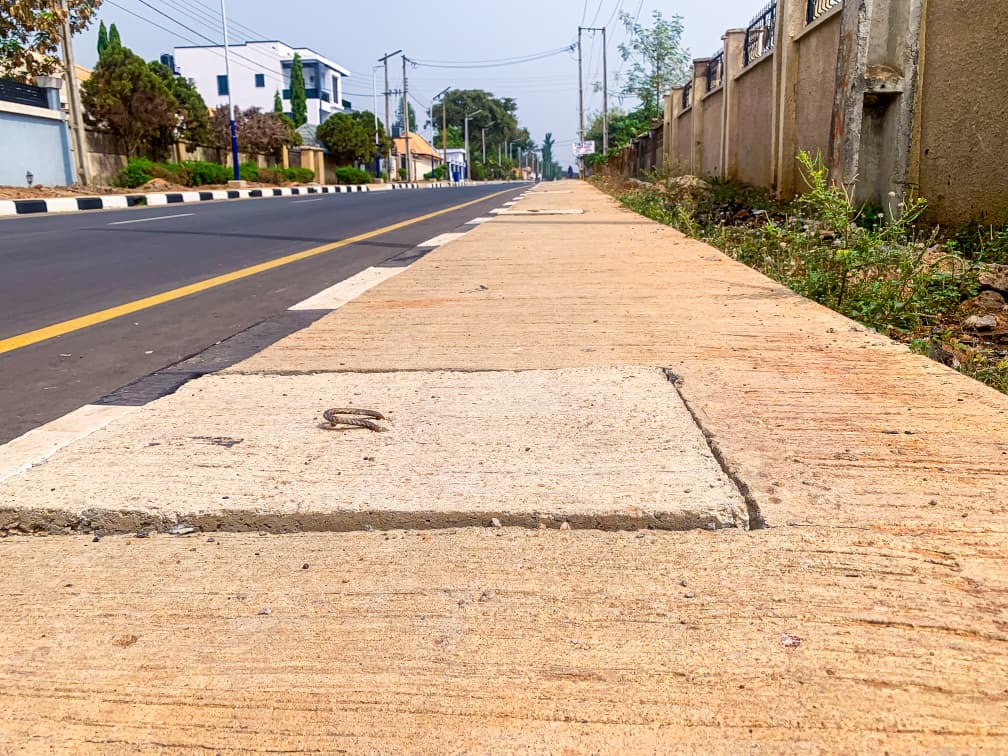
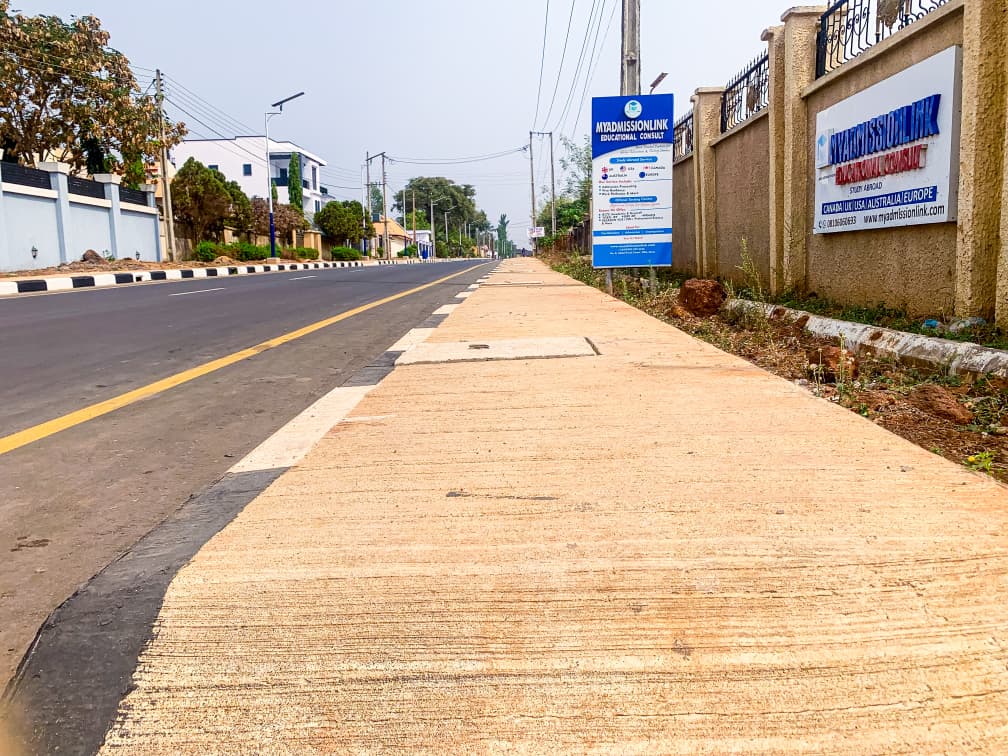
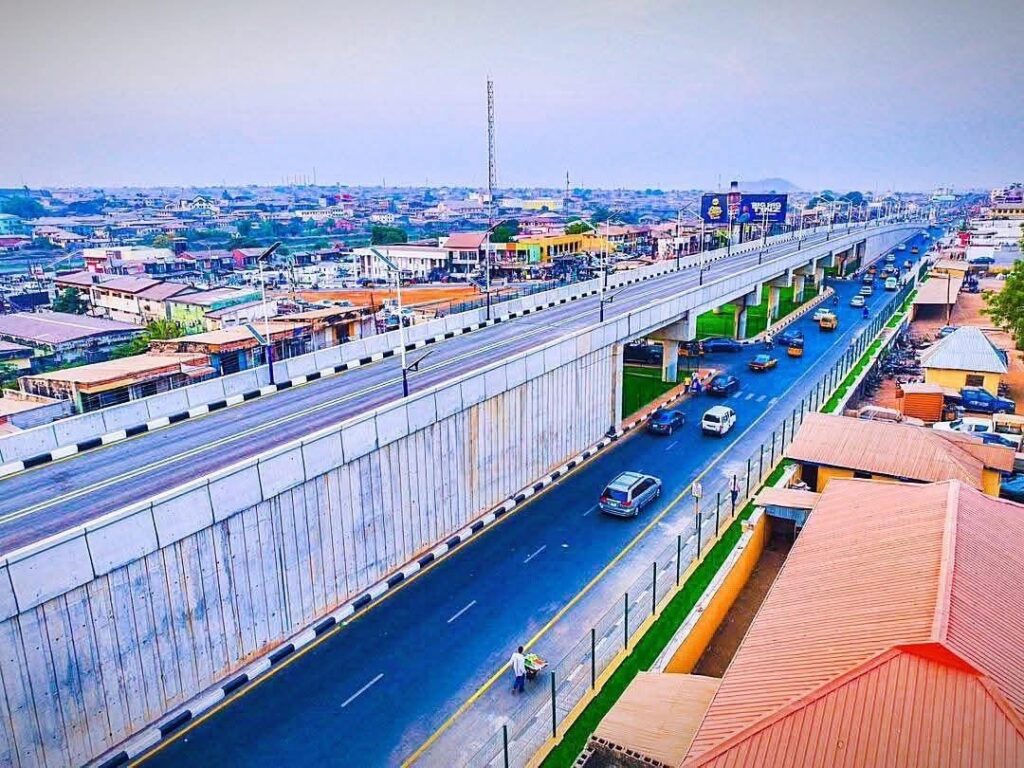
    One of the important legacies of Governor AbdulRahman AbdulRazaq are the many walkways in every part of the capital city Ilorin. Beyond being pleasing aesthetics which set the new Ilorin apart from its old self, these walkways come with lifestyle change and numerous health benefits for everyone. They reduce incidents of vehicles hitting pedestrians, potentially causing injuries and deaths.

    But equally significant is the platform for exercise that these beautiful walkways offer to all. We need to sit less, walk more, and reduce the sedentary lifestyle which experts blame for the many cardiovascular complications that we see everywhere. Ibn Khalidun, historian and social philosopher, in fact linked sedentary lifestyle to the fall of many civilisations. So, kudos to the Governor for the thoughtful addition to the infrastructure in the state. It is one of his many legacies that our children will inherit and carry to the future.

    These walkways have been accompanied by upgraded roads in every part of the city and beyond, especially in Offa town. But this infrastructure is seriously threatened by our general habits as a people. As I walk through these walkways every other day or on weekends, I observed that the roads, the walkways, and the drainages can only survive if we change our habits as a people.

    Along with relevant government agencies doing their bits, people need to intentionally stop littering footpaths or dropping wastes as they drive by. I observed that virtually all the water outlets built to the walkways on Offa Road, for instance, are heavily littered with water sachet, trash, and other things.

    The durability of public infrastructure hangs on how well we handle them. Burning trash on the road or improper refuse dump through water outlets of the walkways is a dangerous practice. Often, the difference between the lifespan of our infrastructure and the ones in Europe or US is the habit of the populace. To keep our infrastructure good and durable, our mindset needs to change. It is our headache if roads or schools built in two years collapse owing to the devil-may-care attitude to facilities done with our money. Let us care a lot more. That begins from every home: let’s decide to drop all the habits that damage public infrastructure.

    A duty to ourselves

    A few weeks ago, we debated to no end how esteemed teachers and Professor Shehu Raheem Adaramaja, SUBEB chief, picked trash at Amule Elementary School in Ilorin East. Painfully, we ignored the main issue: a collective inability to maintain standards and ethics to the extent that we have normalised things that we shouldn’t have. A Primary 3 pupil, for context, should have the orientation that trash is meant for the bin and that it is simply unacceptable to throw garbage from a moving vehicle to the road. Such basic orientation, among other things, will save us many problems.

    As part of education multiplier effects, I plead that we adopt concerted cultivation in child rearing to refocus the trajectory of our nation right from the homestead.

    Finally…

    My love for our teachers is unmistakable. And so does the Governor. They deserve every good thing that life has to offer. It is cheery, therefore, to have the Governor approve 27.5% Teachers Specific Allowance (TSA), a move the NUT has commended. For context: the approval of the 27.5% TSA (in this form) is a 2012 prayer answered in 2025. Our teachers deserve it.

    But the best is the enemy of the good. In addition to the TSA, which is exclusive to them, my teacher-friends want to also get the 30% peculiar allowance approved for civil servants in the core service. My reading of this position is that they just want better pay. It is normal for humans to want more. But there is a problem with their saying they want to benefit from the peculiar allowance which, right from the Federal Government where it emanated from, is meant for certain categories of workers.

    The Peculiar Allowance was designed by the former Head of Service of the Federation Dr. Yemi Esan and Minister of Labour and Productivity Dr. Chris Ngige as a policy instrument to bridge the gap between what workers in the parastatals and agencies earned and what the core civil servants earned. It is a salary harmonization policy.

    These core civil servants do not earn TSA or CONMESS (for doctors) or CONHESS (for nurses), among other benefits, hence the peculiar allowance.

    As genuine as the campaign for improved welfare of my teacher-friends is, I fear that the fight to earn peculiar allowance is risky for everyone. Workers in other sectors may well agitate for the same. And my teacher-friends risk losing their TSA to counter agitations of equality from elsewhere. What is sustainable in many human endeavours is equity, not equality.

    Two points need to be made here. The approval of the 27.5% TSA will add roughly N1.3bn to the wage bill every month, effective January 2026. That’s around N15.6bn more annually. This already has its consequences for governance deliverables, especially at the local government level, because tradeoffs are now inevitable for them. The money for the TSA is a tradeoff for other things they will not be able to do in the new year. But I feel that our teachers deserve it.

    Also, the approval of TSA, which is calculated based on the new minimum wage, still places teachers above those in the mainstream service even with their 30% peculiar allowance. For instance, a level 7 step 1 in the core service will now earn 99,978.65 after the 30%, whereas a level 7 step 1 TSA teacher will earn N101,623.94. And while Level 8 Step 1 TSA teachers will now earn N106,648.57, their counterpart in the core service will earn N103, 962. 38. The gap continues like that.

    If the government acceded to my teacher-friends’ request to also earn peculiar allowance, it means that a level 7 step 1 TSA teacher would earn N132,111.12 — exactly N32, 132.47 more than their mate in the core service. This will further widen the gap the government had sought to reduce, defeat the whole essence of the peculiar allowance and wage harmonization policy, and trigger an unending service-wide civil war that will further destabilise the system. Stability is underrated.

    Dear teachers, this administration cares for you, and this is glaring from the progress so far made in massive school infrastructure upgrade and your welfare: 345% outstanding salary arrears since 2016 paid up; prompt and full payment of salary; promotion arrears from 2017 fully implemented with 2025 already approved; disparity between TESCOM and SUBEB workers bridged; two new minimum wages implemented back to back; regular capacity building for SUBEB teachers since 2019; deductions of cooperatives restored; and annual incremental steps restored since the last three years — a first in many years.

    The administration can only beat its own record and it always will because we do not doubt that you are a critical part of our journey. But let’s not trigger a civil war in the process. You always have the esteemed regards of this administration. Compliments of the season, everyone!

  • Will 2026 be the year Nigeria breaks its mass metering jinx? By Musa Ilallah

    Will 2026 be the year Nigeria breaks its mass metering jinx? By Musa Ilallah

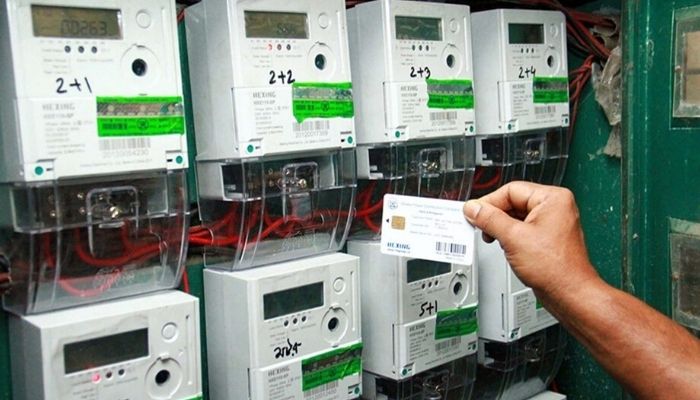
    Successive Nigerian governments have tried to close the country’s yawning electricity metering gap, rolling out a series of ambitious programmes with limited success. Today, Nigeria still has a deficit of more than six million meters, out of an estimated 12 million electricity consumers.

    Why does metering matter? Is it not simply another way to make Nigerians pay more at a time when wallets and purses are already under severe pressure? In reality, metering delivers benefits that many people do not fully appreciate.

    Beyond its direct cost-control advantages for individual consumers—particularly those who have suffered the arbitrariness of estimated billing—metering strengthens the entire electricity system and, by extension, the broader economy. It allows distribution companies (DisCos) to collect revenues more efficiently and transparently. Modern smart meters are sophisticated pieces of technology, capable of collecting, interpreting, and processing granular data.

    That data is invaluable. It enables better planning by providing a clearer picture of demand, allowing investments and infrastructure to be targeted more accurately. Crucially, it also makes targeted subsidies possible. With reliable consumption data, government can identify who needs support and where they are, ensuring assistance reaches those at the bottom of the economic ladder. This is standard practice around the world.

    For too long, Nigeria has relied on subsidies that are neither targeted nor supported by credible data, resulting in massive losses, fraud, and wastage. The petrol subsidy scandal that erupted in 2012 remains a vivid reminder of what happens when subsidies are applied indiscriminately: those who benefit most are often not those who need help the most.
    Metering, therefore, is of immense importance. It is one of the most underrated pillars of a functioning economy.

    President Tinubu’s response to Nigeria’s metering challenge is the new Presidential Metering Initiative (PMI). For perhaps the first time, the issue is being driven by direct presidential intervention—an indication of how seriously the federal government views the problem.

    As always, the devil is in the detail. The PMI has mobilised substantial funding from both federal and state governments to finance the rollout of the millions of smart meters required to close the gap. This marks a notable departure from previous efforts, which treated metering almost exclusively as a federal responsibility.

    With state governments now involved, there is a broader sense of ownership—an important factor given that states hold equity stakes in the DisCos, who are ultimately responsible for deploying the meters.

    Another point to note: the PMI rollout is expected to involve a mix of imported and locally assembled smart meters. The case for local meters is straightforward: Nigeria must deepen local content across all sectors of the economy. This has become even more pressing following the launch of the Nigeria First policy.

    The argument for imported meters is equally compelling. The scale and urgency of the task mean that Nigeria cannot afford to rely on a single source. While local manufacturing capacity has grown in recent years, it is not yet sufficient to deliver millions of meters within a short timeframe. In short, patriotism must be balanced with pragmatism.

    Beyond local manufacturing, the PMI also promises benefits for local technical capacity. A successful mass rollout will require thousands of trained technicians, creating opportunities for young Nigerians willing to acquire new skills. The initiative plans to oversee such training programmes in collaboration with public and private sector partners.

    These skills will likely extend beyond meter installation, forming a foundation for broader electrical expertise applicable to construction, manufacturing, automobiles, and other sectors.

    On paper, the PMI appears well thought out and carries many of the hallmarks of a potential jinx breaker. But it must prove itself in practice. Its success will ultimately be judged by the quality and speed of implementation, and by whether it truly departs from past initiatives that stalled or progressed at a crawl.

    Public awareness will also be critical. This is where institutions such as the National Orientation Agency can play a supporting role, leveraging their national reach and renewed momentum. For the PMI to succeed, all hands must be on deck. This is not a task for government alone. Every stakeholder in the electricity value chain has a role to play in successful implementation—because when DisCos plug revenue leakages, they are better positioned to meet their obligations to generation companies, which in turn can pay their fuel suppliers. It is yet another example of the cascading benefits of effective metering.

    Will the PMI live up to the high expectations surrounding it, or will it follow the path of previous interventions? In 2026, Nigerians should have a clear answer to this all-important question.

    By Musa Ilallah,
    A public affairs analyst based in Abuja.
    He can be reached at musahk123@yahoo.com

  • Why Kwara State Will Prosper in 2026: The Visionary Leadership of Governor AbdulRahman AbdulRazaq By Elelu Ibrahim Shukurat Ayoola

    Why Kwara State Will Prosper in 2026: The Visionary Leadership of Governor AbdulRahman AbdulRazaq By Elelu Ibrahim Shukurat Ayoola

    As we embark on this promising year of 2026, my heart is filled with profound hope, deep gratitude, and an unshakable conviction in the bright future awaiting our beloved Kwara State. I empathize deeply with every Kwaran who has faced hardships in the past, yet I am profoundly inspired by the selfless, steadfast leadership of Governor AbdulRahman AbdulRazaq.

    In a nation grappling with formidable challenges, his quiet genius, marked by integrity, prudence, and an unwavering commitment to inclusive progress, positions Kwara as a shining example of effective governance.

    This year, 2026, heralds not just survival, but genuine prosperity, built on solid foundations laid with foresight and dedication. The dawn of a new era is upon us, and under His Excellency’s guidance, Kwara is poised to thrive like never before.

    A Bold Fiscal Foundation for Sustainable Growth and Security


    The N644 billion 2026 Appropriation Bill, presented with such clarity and purpose, stands as a testament to Governor AbdulRazaq’s profound understanding of our state’s needs.

    With nearly 66 percent allocated to capital expenditure, this budget is a sacred pledge to prioritize tangible, lasting development over short-lived measures. It focuses resolutely on completing ongoing projects while initiating new ones that will transform lives across all 16 local government areas.

    Roads, bridges, water supply systems, modern healthcare facilities, and world-class educational infrastructure will emerge stronger, fostering connectivity, health, and knowledge for generations.

    What moves me most deeply is the deliberate emphasis on security, a cornerstone without which no prosperity can endure.

    By ring-fencing substantial resources for law enforcement enhancements, community safety programs, and initiatives like the recruitment of forest guards, the Governor demonstrates a heartfelt commitment to peace.

    In recent days, we have seen schools reopen safely amid resolved security concerns, allowing our children to pursue education without fear.

    This prudent approach not only shields our communities but attracts investment, safeguards agricultural yields, and nurtures an environment where families can flourish. Amid national uncertainties, Governor AbdulRazaq’s fiscal wisdom provides a shield of resilience, ensuring that Kwara remains a haven of stability and opportunity.

    Transformative Reforms and a People-Centered Vision for Inclusive Prosperity


    As an entrepreneur who has witnessed the struggles and triumphs of business in our state, the unveiling of the 2026 Action Plan for Ease of Doing Business fills me with immense pride and optimism. This comprehensive strategy, spanning key pillars such as modernizing land administration, promoting agricultural investments for food security, accelerating infrastructure delivery, and strengthening public-private partnerships, reflects visionary leadership at its finest. It is designed to create a truly conducive environment where businesses thrive, jobs multiply, and economic growth benefits all.

    Particularly inspiring is the commitment to renewable energy, exemplified by the planned statewide solar farm project, which promises to illuminate rural and urban areas alike, powering socio-economic advancement sustainably.

    This initiative, alongside broader reforms, will empower our youth, support farmers, and invigorate sectors like services, creative industries, and agribusiness. Governor AbdulRazaq’s inclusive governance, free from exclusion or division, resonates profoundly. His recent call during the APC e-registration for no one to be left behind, coupled with his New Year proclamation of 2026 as “a new dawn for Kwara,” stirs the soul and calls us all to unite in building enduring legacies.

    We have already seen remarkable strides: revitalized education with incentives like the newly approved 27.5 percent Teachers Specific Allowance, upgraded healthcare, urban renewal in Ilorin, and expanded rural networks. In 2026, these seeds will blossom into abundant harvests, job creation for our teeming youth, enhanced livelihoods for families, and a Kwara more vibrant, viable, and prosperous than ever imagined. Even as national headwinds persist, His Excellency’s people-centered approach fosters unity, resilience, and broad-based progress.

    In this defining year, Kwara will prosper because it is led by a governor whose genius manifests in dedicated execution, moral fortitude, and an enduring vision for the common good.

    Under Governor AbdulRahman AbdulRazaq, our Harmony State is not merely enduring challenges; it is ascending to unparalleled greatness. With profound conviction and heartfelt optimism, I affirm: Kwara’s most glorious days are here, and 2026 will inscribe this truth indelibly in our history. Let us embrace this journey united, for our state and its people deserve nothing less than excellence. Together, we shall witness the full flowering of this new dawn.

  • POLICE CONFIRM RECEIPT AND RELEASE OF VIGILANTE MEMBERS ARRESTED BY THE ARMY IN EDO STATE.

    POLICE CONFIRM RECEIPT AND RELEASE OF VIGILANTE MEMBERS ARRESTED BY THE ARMY IN EDO STATE.

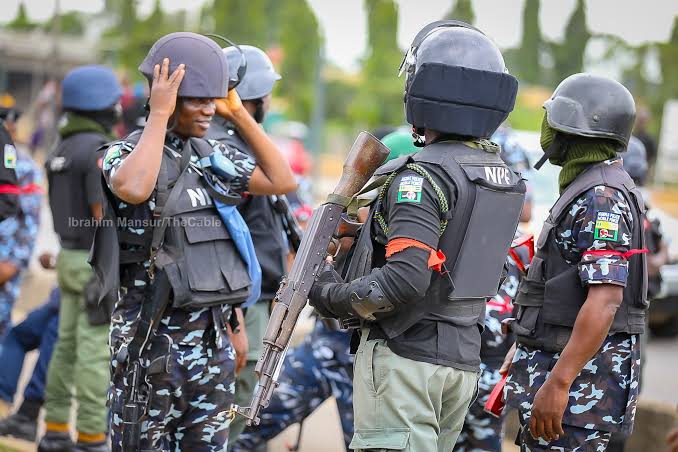
    The Kwara State Police Command wishes to confirm that on Wednesday, 31st December, 2025, it received six (6) vigilante members who were earlier arrested by personnel of the Nigerian Army along the Auchi–Ikpeshi Road in Akoko-Edo Local Government Area of Edo State.

    The Vigilante, travelling in a vehicle belonging to Ifelodun Local Government Area of Kwara State, was formally handed over to the Kwara State Police Command by the Brigade Commander, 22 Armoured Brigade, Sobi Barracks, Ilorin, Brigadier General N. N. Rume, for the purpose of investigation and profiling.

    Following a thorough investigation, it was established that the individuals are legitimate members of vigilante groups operating in collaboration with recognised security agencies in the ongoing efforts to combat banditry and other forms of criminality.
    Consequently, having been exonerated of any criminal wrongdoing, the vigilante members were released to their respective leaders.

    The Commissioner of Police, Kwara State Command, CP Ojo Adekimi, psc, mnips, reiterates the Command’s commitment to synergy among security agencies and community-based security outfits, while urging all groups to continually operate within the confines of the law.
    Members of the public are assured that the Command remains steadfast in its resolve to ensure the safety and security of all residents of Kwara State.

    SP Adetoun Ejire-Adeyemi anipr
    Police Public Relations Officer.
    For:- The Commissioner of Police,
    Kwara State Command,
    Ilorin.

    6th January, 2026.

  • Kwara Govt Dismisses Claims Over Teachers’ Allowances

    Kwara Govt Dismisses Claims Over Teachers’ Allowances

    …Head of Service says TSA remained in force until December 2025, clarifies 30% Peculiar Allowance applies to core civil servants only

    The Kwara State Government has dismissed claims circulating in parts of the media over the implementation of teachers’ allowances, describing them as misleading and unfounded.


    In a press release issued on Sunday by the Office of the Head of Service, the government clarified issues surrounding the 30 per cent Peculiar Allowance and the Teachers Specific Allowance (TSA) of 27.5 per cent and 21 per cent.

    The statement responded to allegations by some teachers that the TSA had ceased several years ago, that teachers were excluded from the 30 per cent Peculiar Allowance enjoyed by other civil servants, and that the allowance structure now allows a Grade Level 04 officer in the core civil service to earn more than a Grade Level 07 teacher.


    According to the Office of the Head of Service, the TSA was approved following an agreement signed between the Nigerian Governors Forum and the Nigeria Union of Teachers on August 6, 2008. The allowance was implemented in 2010 and remained in effect until December 2025, when the Kwara State Government approved a comprehensive review of the allowance in line with teachers’ certifications as recognised by the Teachers Registration Council of Nigeria. The revised structure, the statement said, is scheduled to take effect from January 2026.
    On the issue of the Peculiar Allowance, the government explained that the 40 per cent Peculiar Allowance approved by the Federal Government applies specifically to workers in the core civil service as part of a salary harmonisation effort. The allowance was introduced to address remuneration gaps, as other categories of workers already enjoy profession-based allowances or enhanced salary structures.

    The statement noted that health workers, judicial workers, tertiary institution staff, and other categories of workers with specific allowances are excluded from the Peculiar Allowance. Teachers, it added, fall within this category due to the TSA and other sector-specific benefits.

    The Office of the Head of Service further emphasised that the introduction of the Peculiar Allowance in Kwara State is a new initiative, reflecting the current administration’s focus on workers’ welfare. It highlighted several interventions in the education sector, including the payment of 345 per cent outstanding salary arrears dating back to 2016, the clearance of promotion arrears from 2015, regular approval of annual promotions up to 2025, and the bridging of salary disparities between teachers under the Teaching Service Commission and the State Universal Basic Education Board.

    Other measures listed include regular capacity-building programmes for teachers since 2019 and the restoration of annual incremental steps over the past three years.

    The government maintained that despite the implementation of the 30 per cent Peculiar Allowance for core civil servants, teachers’ salaries remain higher than those of their counterparts on the same grade levels in the ministries. It stressed that allowances are meant to promote salary balance rather than create competition among workers.

    The statement also reminded workers that the state government retains the authority to review remuneration based on available resources and sustainability considerations. It advised that all grievances should be channelled through recognised trade unions and urged public servants to comply with Public Service Rules regarding media engagements.

    The statement was signed by the Press Secretary to the Office of the Head of Service, Okanlawon Solomon.

  • No place for terrorists, kidnappers in Kwara, Governor Abdulrazaq says as forest guards end training

    No place for terrorists, kidnappers in Kwara, Governor Abdulrazaq says as forest guards end training

    •Says initiative a game changer to strengthen security architecture
    •Deployment is immediate, respect RoE: NSA

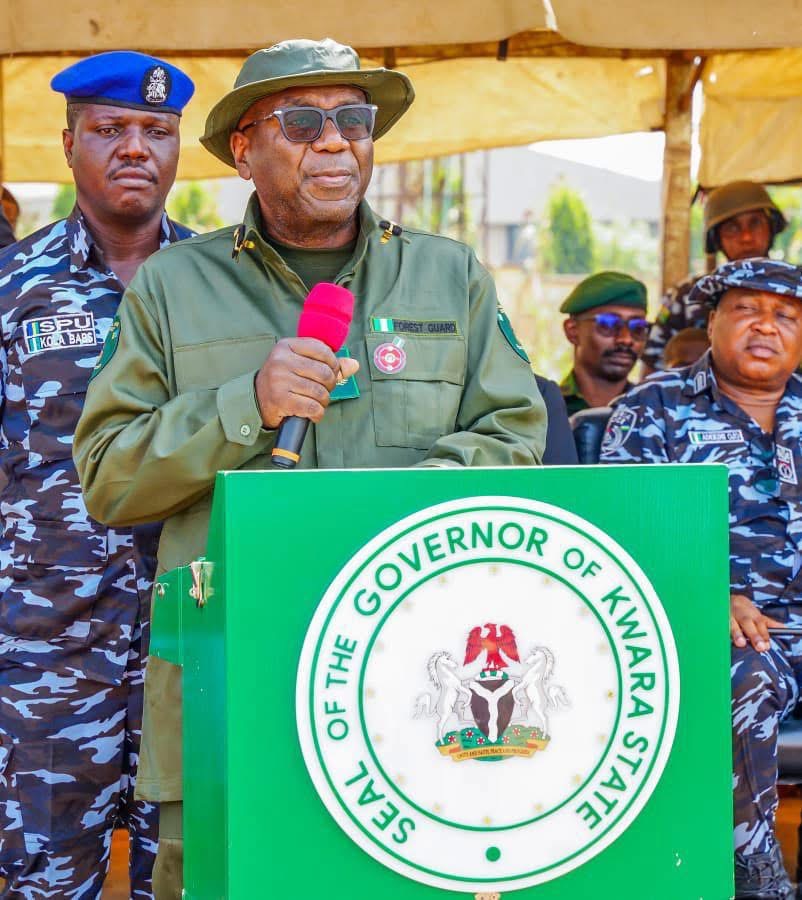
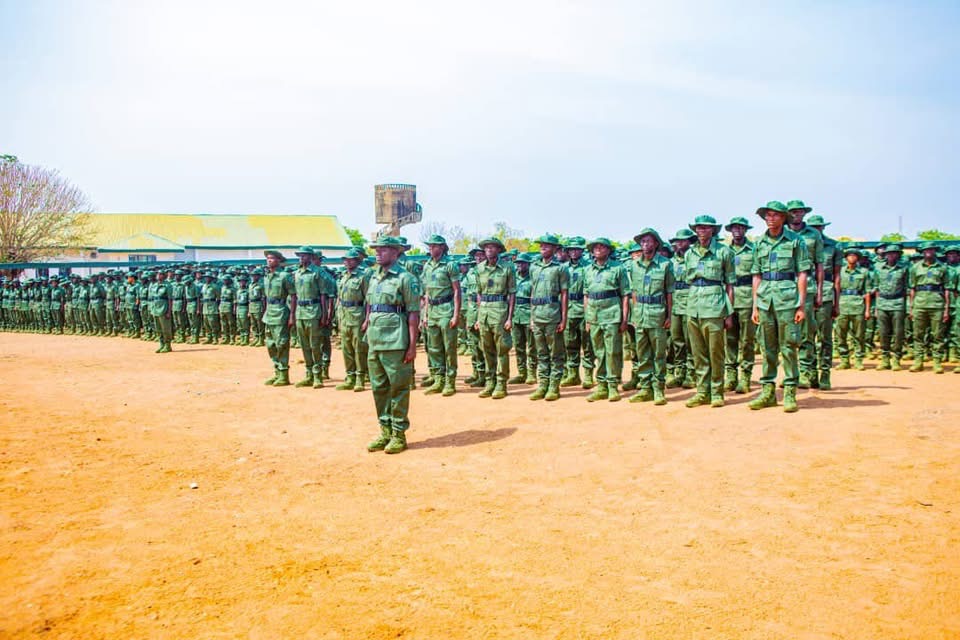
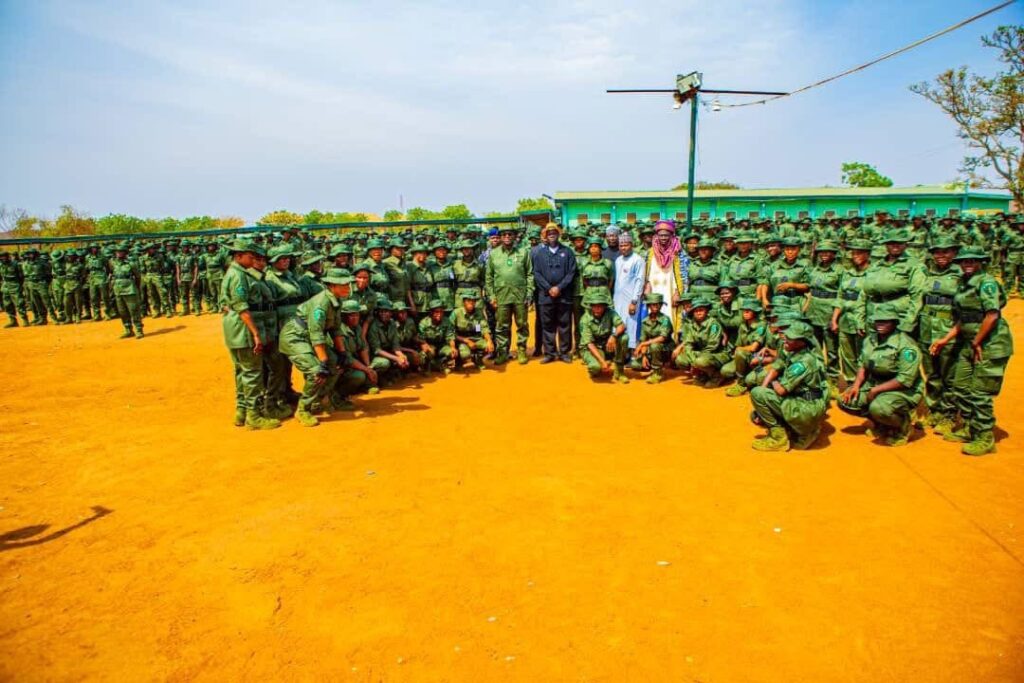
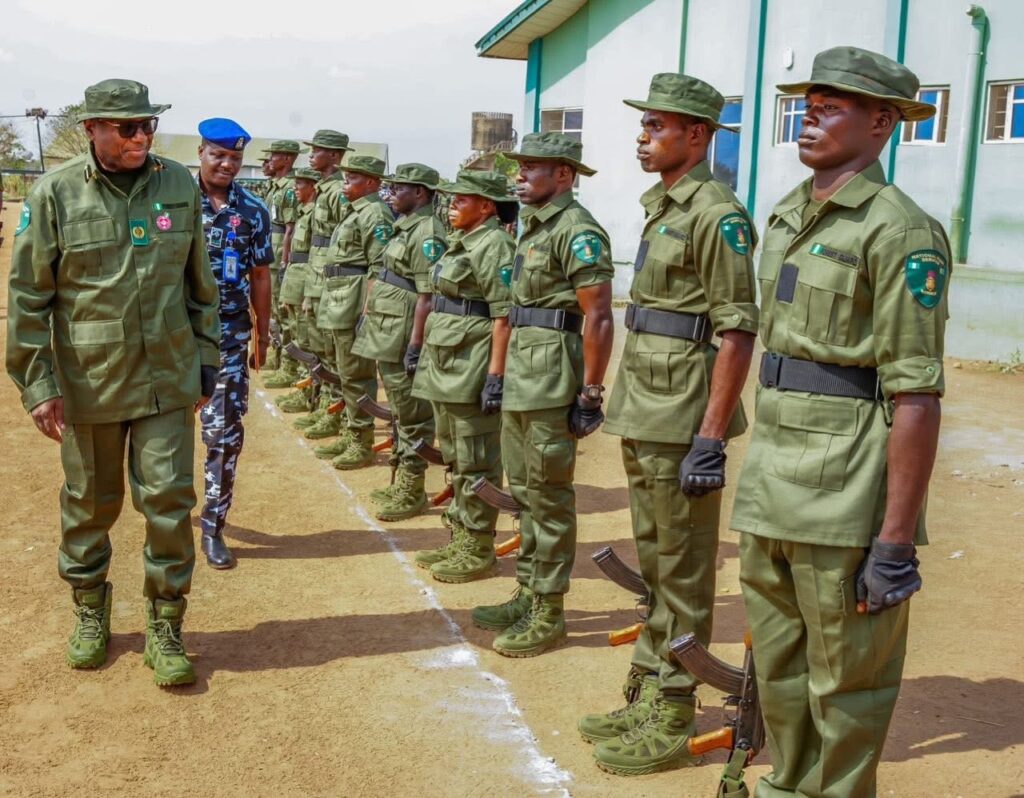
    About a thousand forest guards had their passing out parade in Kwara State on Saturday ahead of full deployment to curtail the activities of terrorists, kidnappers, and illegal miners, among others.

    Governor AbdulRahman AbdulRazaq called the initiative a game changer, which he said would leave the terrorists and kidnappers with the option of either leaving the state or paying a heavy prize.

    He commended President Bola Tinubu for “thinking out of the box” to repossess Nigeria’s forest resources, expel all the bad faith actors occupying the forests, and strengthen public safety.

    Governor AbdulRazaq also thanked the security forces for their commitment to protect lives, saying a synergy with the new auxiliary forces who were all drawn from local communities will strengthen the campaign to fight terrorists and kidnappers.

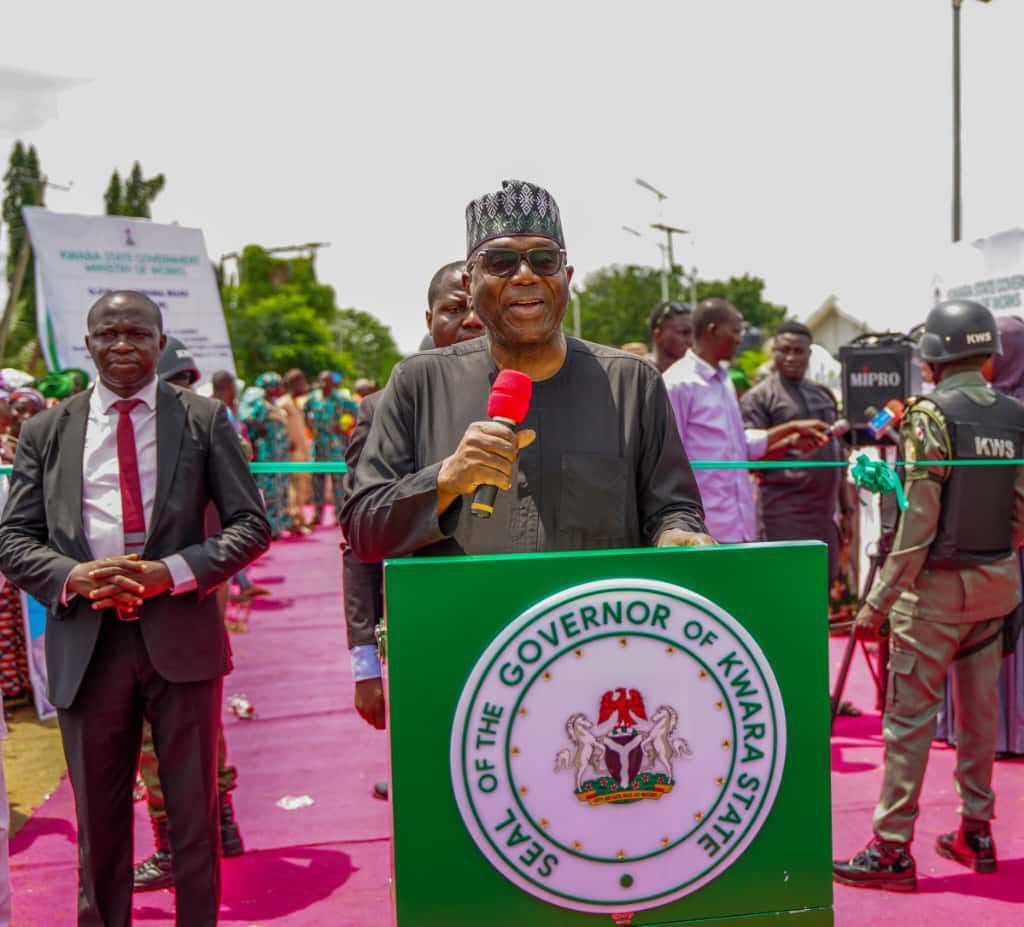
    “Today opens a new page in our campaign against all forms of terrorism, kidnapping, and opportunist attacks on our people by bad faith actors who exploit our vast territories for evil purposes,” he said at the event in Ilorin.

    The event was attended by all the security commanders in the state, cabinet members, council chairpersons, traditional rulers, and heads of federal and state agencies and tertiary institutions.

    “The enlistment of armed forest guards to complement the patriotic efforts of our security forces is a game changer in this campaign. It shows very clearly that the government is committed to the mission of ridding our country of all forms of terrorism, banditry, and kidnappings,” the Governor added.

    “And the message is very clear: more than ever before, the terrorists now have the option of immediately leaving our state or paying a heavy price.

    “Today’s launch of the forest guards simply means that we are going on the offensive because our people deserve their peace as freeborns. We have had enough! Anyone who thinks or acts otherwise is our enemy who will not be spared.

    “Distinguished forest guards, you are embarking on a national assignment to protect our people from all criminals in our forests. Working with gallant officers and personnel of the security forces, you are to go all out to flush out the terrorists, restore sanity in our forests, and keep our communities safer than they ever were.

    “I commend the President of the Federal Republic for this bold policy response to the security situation in our country and the larger Sahel Region. I thank the leadership of the National Security Adviser for pulling this through. I am also confident that all the security forces will work together with the forest guards to end this menace once and for all.

    “More importantly, I urge the people of Kwara State to work with the security forces and the forest guards to flush out the terrorists and make our state uninhabitable for them.

    “While the forest guards are auxiliaries under the Office of the National Security Adviser and the Department of State Security, I assure you of our continuous support for this initiative just like we have done throughout your training.

    “Working with the ONSA, our plan is to ensure that each local government has at least 200 forest guards who will fortify our forests and work with local vigilantes to protect lives and property.

    “I congratulate all the new forest guards. I thank you for agreeing to serve our state, and I reassure you of our continuous support as you embark on this important national security assignment.

    “Finally, I thank all the security forces who were involved in the rigorous training programme. You all did so well. God bless you.”

    National Security Adviser Mallam Nuhu Ribadu, for his part, said the newly trained Forest Guards will be deployed immediately to threatened communities in the pilot states, particularly around forested and ungoverned spaces.

    Ribadu said the Presidential Forest Guards initiative is a joint effort between the Federal and State Governments, listing the pilot states to include Adamawa, Borno, Kwara, Kebbi, Niger, Sokoto, and Yobe.

    “The mandate of the forest guards is two-fold. First, they are entrusted with guarding our national heritage and charged with protecting, preserving, and sustainably managing our forest ecosystems, watersheds, wildlife, and biodiversity,” he said.

    “Second, they serve as a critical force multiplier in our national security architecture, particularly in confronting bandits, insurgents, terrorists, and other criminal elements that are exploiting the vast, ungoverned forest spaces across the country for their heinous crimes.”

    Represented by the Assistant Director General for DSS, Femi Shotayo, the NSA added: “Aside from being first responders, these guards are expected to gather actionable human intelligence, support ongoing security operations, and restore state presence where it has long been absent.”

    He said the deployment of the guards will be immediate along with payment of salaries and allowances.

    Ribadu urged the trainees to abide by their oaths of allegiance to the Nigerian state and to respect human rights, gender rights, and protection of civilians, among other rules of engagement taught at the training.

    “The oath of allegiance is not a mere formality; it is a binding pledge of loyalty to the Federal Republic of Nigeria, obedience to lawful authority, and commitment to the protection of lives, property, and the Constitution. By this act, you formally accept the sacred responsibility entrusted to you by the Nigerian state. You are henceforth bound to uphold discipline, professionalism, respect for human rights, and the highest standards of conduct in the execution of your duties,” he said.

    Highlights of the event included the display of what the guards have learnt about attack and self-defence and operational capabilities to curtail banditry, kidnapping, cattle rustling, deforestation, and illegal mining.

    Rafiu Ajakaye
    Chief Press Secretary to the Governor
    December 27, 2025

  • PRELIMINARY OFFICIAL STATEMENT ON ORDNANCE-RELATED INCIDENT IN OFFA.

    PRELIMINARY OFFICIAL STATEMENT ON ORDNANCE-RELATED INCIDENT IN OFFA.

    The Offa Local Government has taken note of reports circulating regarding a suspected ordnance-related incident that occurred within the precinct of the Offa Yidi Praying Ground on December 25, 2025.
    The affected area has been cordoned off by security agencies to allow for further investigations.

    The Executive Chairman, Hon. Suleiman Olatunji Omituntun, alongside the Special Adviser on Political Matters to the Governor, Hon. Femi Agbaje Whyte, and the Divisional Police Officer (DPO), Offa Division, visited the location immediately after the incident to assess the situation firsthand.

    The Executive Chairman urges all residents of Offa to remain calm, vigilant, and law-abiding.
    Citizens are advised to verify information through credible and official sources to avoid the spread of fear and misinformation.

    The Local Government remains fully committed to the safety, security, and well-being of the people and will continue to work closely with relevant authorities until investigations are concluded.
    Further official updates will be issued as soon as verified information becomes available.

    Abiola Azeez Babatunde
    Chief Press Secretary
    To the Executive Chairman,
    Offa Local Government
    26th December, 2025