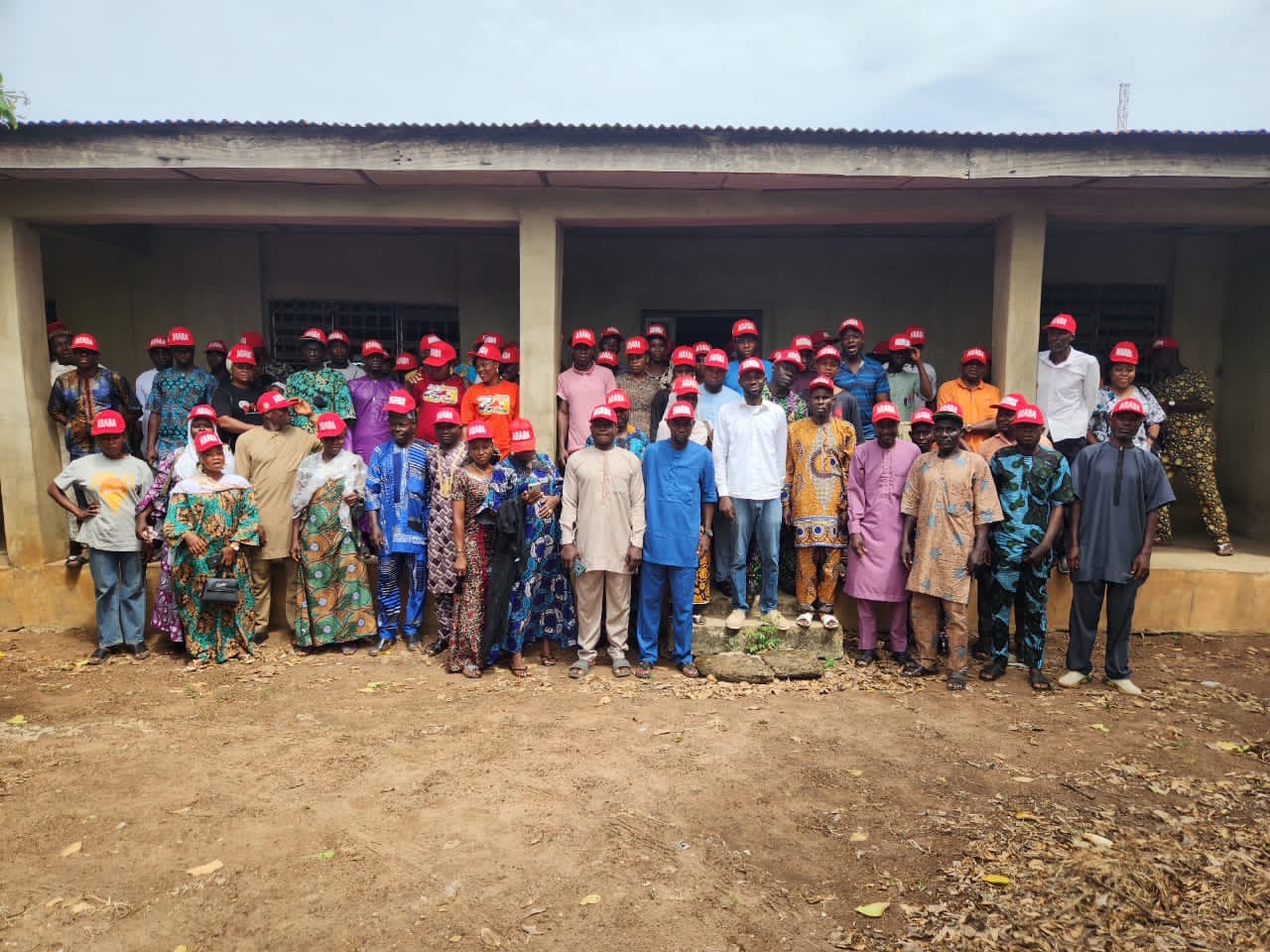
As the 2027 governorship race in Kwara State gradually takes shape, the political movement around Engr. Femi Sanni (ARABA) appears to be entering a new phase—one that prioritises structure, coordination, and statewide viability over routine endorsements.
This shift became evident following recent engagements by the Kwara South Legacy Group, whose earlier declaration of support for Sanni has now evolved into a broader mobilisation effort aimed at building a functional political network beyond the Kwara South Senatorial District.
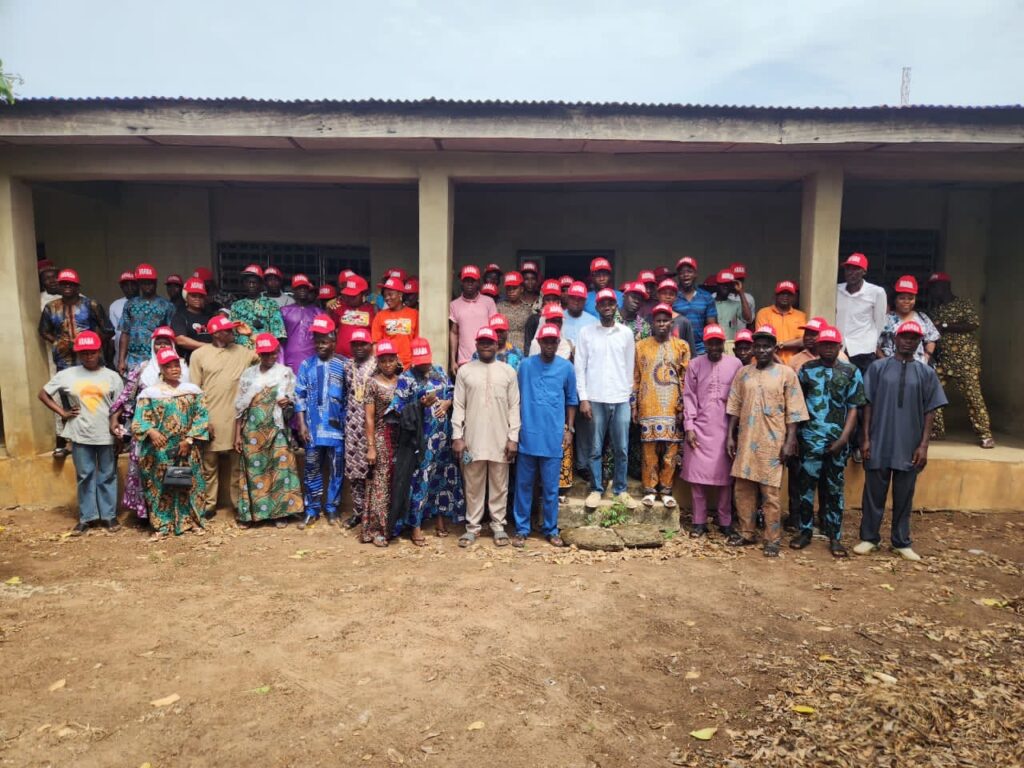
Rather than issuing fresh endorsements, key actors within the group are now focusing on consolidating grassroots structures, aligning with stakeholders across Kwara Central and Kwara North, and facilitating quiet negotiations within party circles.
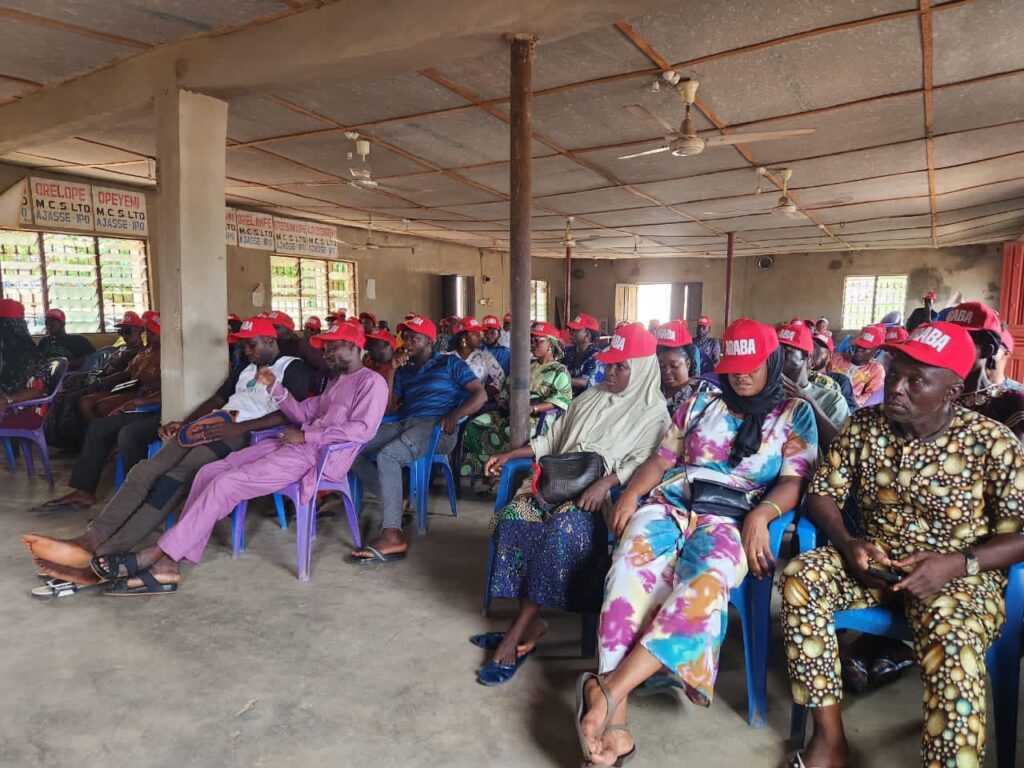
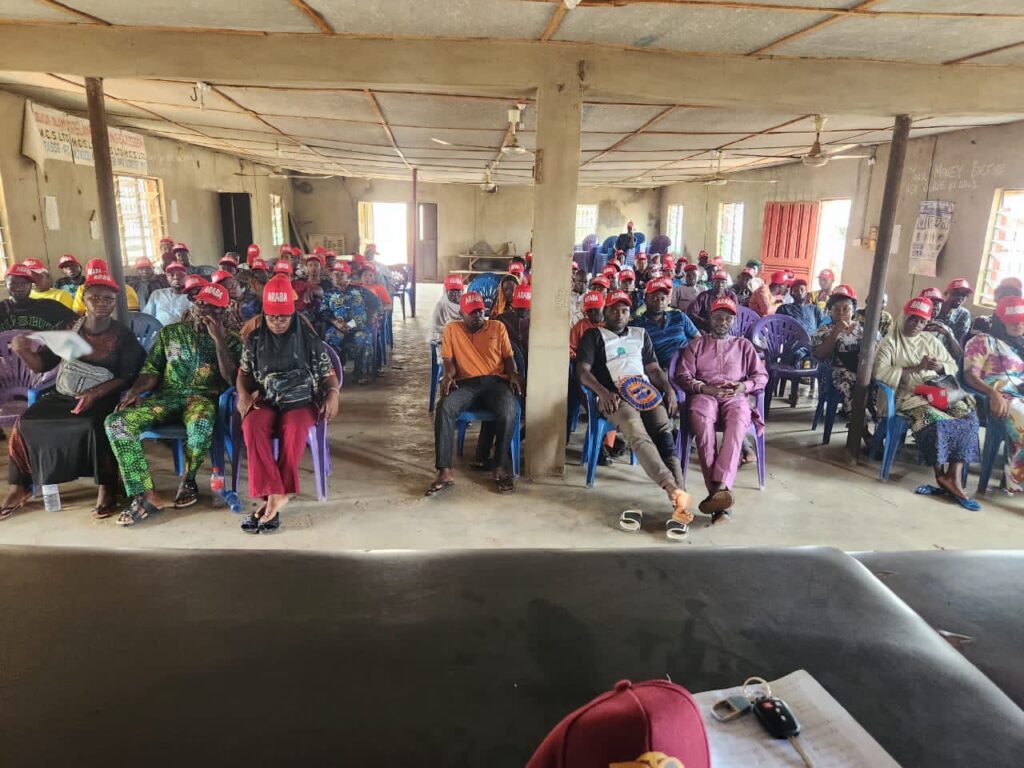
Speaking during a stakeholders’ interaction, a leading member of the group, Kayode Ogunlowo, hinted at the changing strategy, noting that the next phase is less about public declarations and more about “putting the right political architecture in place.”
“What matters now is not just who supports you, but how that support is organised, sustained, and translated into electoral strength,” he said.
Observers say this marks a critical transition for the ARABA political tendency—from a growing support base to an emerging political machine.
Across parts of the state, there are indications of increased coordination among youth blocs, professionals, and local political influencers, many of whom are said to be integrating into ward-level and local government structures. The emphasis, sources say, is on building a network that can withstand intra-party contests and eventual general elections.
This recalibration also reflects a broader reality within Kwara politics, where early momentum rarely guarantees success without deep-rooted structures and elite alignment.
Political analysts note that aspirants who fail to move beyond symbolic popularity often struggle at the decisive stages of party primaries, where delegate networks, alliances, and strategic negotiations play a defining role.
In this context, the ARABA camp’s current approach appears designed to address those realities—quietly expanding influence while avoiding the fatigue that comes with excessive media visibility.
There are also indications that conversations are ongoing across different tendencies within the ruling party, suggesting that the contest may gradually shift from open mobilisation to behind-the-scenes coalition building.
While it remains early in the electoral cycle, the emerging pattern suggests that the 2027 race may not be won on the strength of endorsements alone, but on the ability of aspirants to build cohesive, cross-regional political structures.
For Engr. Femi Sanni, the challenge—and opportunity—lies in converting early goodwill into a disciplined, statewide political force capable of competing at the highest level.
Leave a Reply